The
The
rise
The years between 1996 and 2005 may well be remembered as the decade of the meteoric rise of the Bombay Orthopaedic Society. In an era when Indian orthopaedics itself was undergoing rapid transformation, the BOS emerged as a spirited, progressive force; propelled, interestingly, by two surgeons who shared not only a vision but also a name. It was a decade shaped, in no small measure, by two “Rams.”
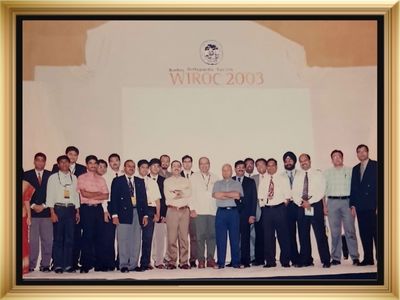
By the mid-1990s, WIROC had firmly established itself as a quintessential “Bombay event”; a meeting known for its intellectual depth and its vibrant, almost familial, academic atmosphere. The scientific calibre of the conference was unassailable, yet one persistent challenge lingered: time management. Tradition dictated that when a senior member rose to speak, the courtesy of uninterrupted time was accorded almost as a matter of ritual. Noble in spirit, this practice often resulted in extended sessions and cascading delays, testing the patience of delegates and organisers alike.
The paradigm began to shift in 1997, when a young, energetic Dr. Ram Chaddha and the equally enthusiastic Dr. Sudhir Warrier assumed leadership of WIROC. Armed with newfound familiarity with computers and a modern understanding of academic discipline, the duo chose a bold path; one that many had considered unthinkable, even sacrilegious. They instituted a system in which presentations exceeding their allotted time were cut off, and screens were automatically blanked out.
The first instances of this generated palpable shock in the audience. Some senior colleagues felt affronted; others were simply bewildered by the abruptness of this departure from long-held norms. Yet, in the finest tradition of the BOS, the fraternity absorbed this change with grace. What began as controversy soon came to be celebrated as a progressive step toward professionalism, setting a standard that would later become the norm across orthopaedic meetings in India.
As Mumbai’s orthopaedic community expanded and its aspirations grew, the Executive Council of the BOS resolved to bid once again for IOACON. Under the sagacious leadership of Prof. K. H. Sancheti and the spirited pragmatism of Dr. Ram Prabhoo, the Society secured and organised IOACON 2005; a meeting that would go down as one of the most memorable undertakings in its history.
The chosen venue; the Renaissance Hotel at Powai, posed a unique logistical dilemma. IOACON’s vast attendance meant that a single location could not contain its scientific and social footprint. Two adjacent venues, separated by nearly 200 metres and divided by a major municipal water pipeline, had to be used. The prospect of navigating Mumbai’s unpredictable traffic between sessions raised genuine concerns.
It was here that Dr. Ram Prabhoo achieved what many considered impossible. With astonishing ingenuity, he conceived and executed a temporary yet remarkably sturdy bridge connecting the two venues; a structure that would later earn the affectionate nickname “Ram Setu”. For six full days, this improvised marvel bore the weight of thousands of footsteps, becoming both a functional lifeline and a symbol of BOS innovation.
IOACON 2005 itself was a landmark. It married academic rigour with the cultural soul of Mumbai, introducing; for the first time in IOA history with a touch of Bollywood splendour through the memorable Sonu Nigam Night. Beneath the lights and music, however, lay a deeper sentiment: the conference stood as a testament to the resilience, creativity, and indomitable spirit of Mumbai’s orthopaedic surgeons.
In the long journey of the Bombay Orthopaedic Society, this decade remains a turning point; a period when the Society not only expanded in stature but crystallised its identity. It was an era defined by bold ideas, fearless execution, and the unshakeable conviction that Mumbai could meet any challenge with characteristic ingenuity and heart.
 A
Chapter
A
Chapter
framed in memories
1996
Expanding Academic Aspirations
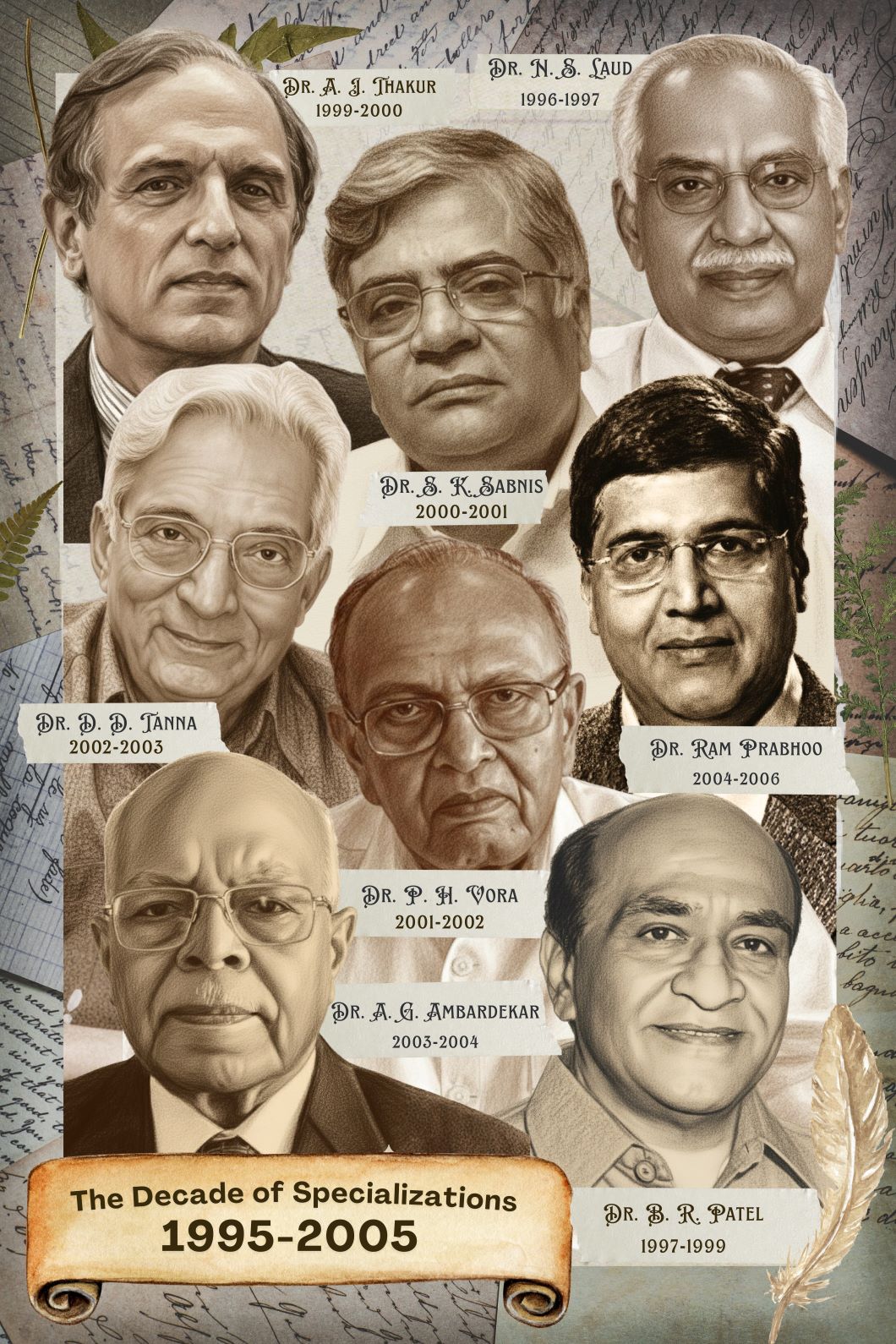
Dr. N. S. Laud Enhances Professional Collaboration
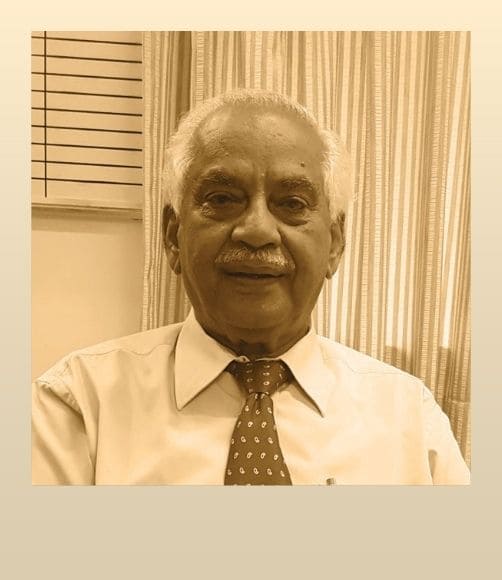
Dr. N. S. Laud
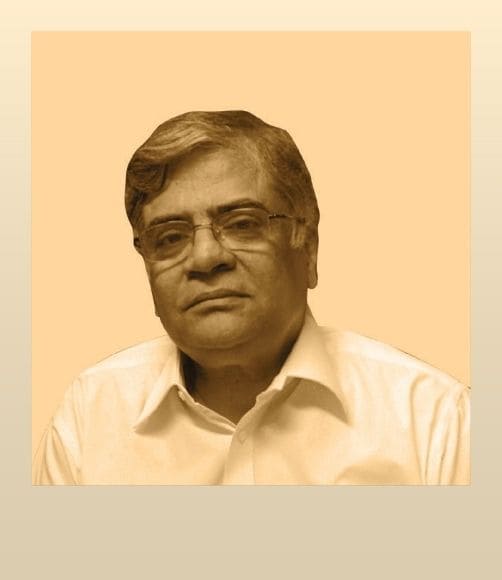
Dr. S. K. Sabnis
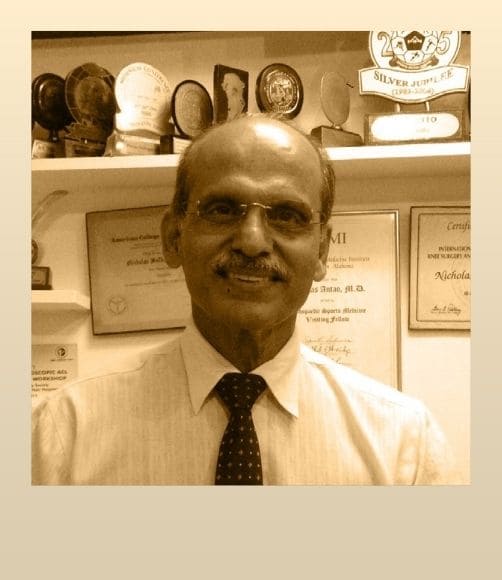
Dr. Nicholas Antao
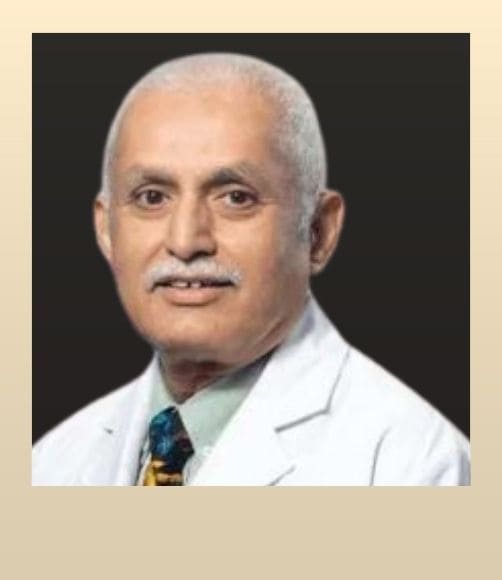
Dr. Sudhir Warrier
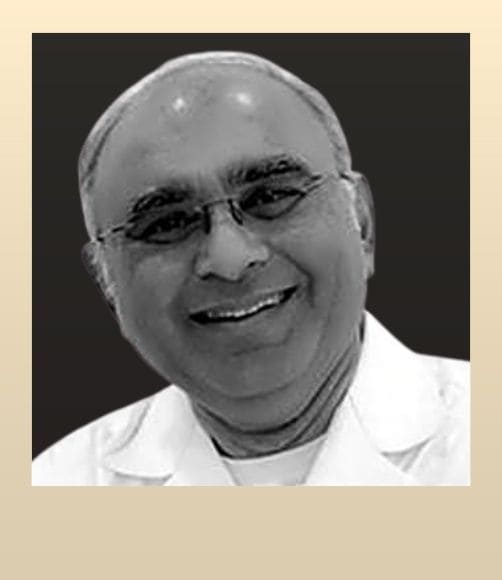
Dr. N. R. Rathod
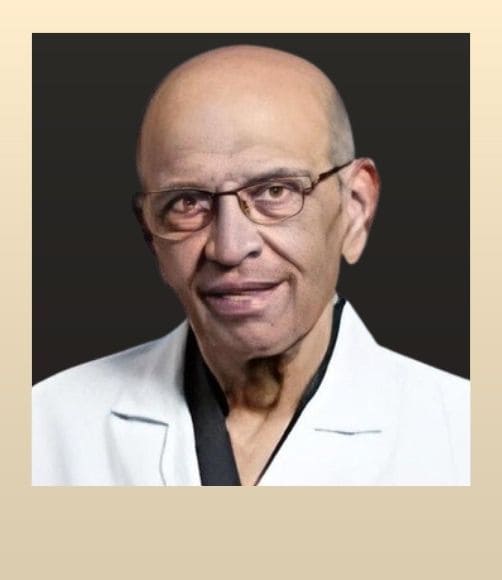
Dr. S. S. Joshi
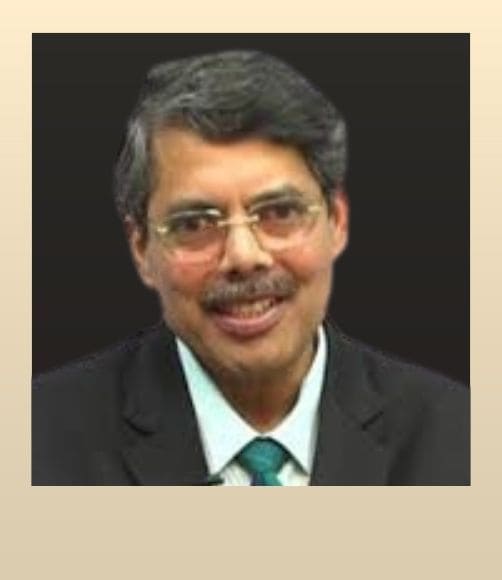
Dr. P. B. Bhosale
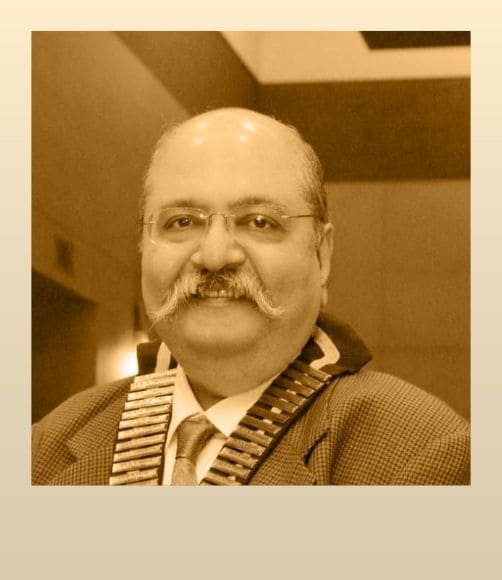
Dr. Aseem Parekh
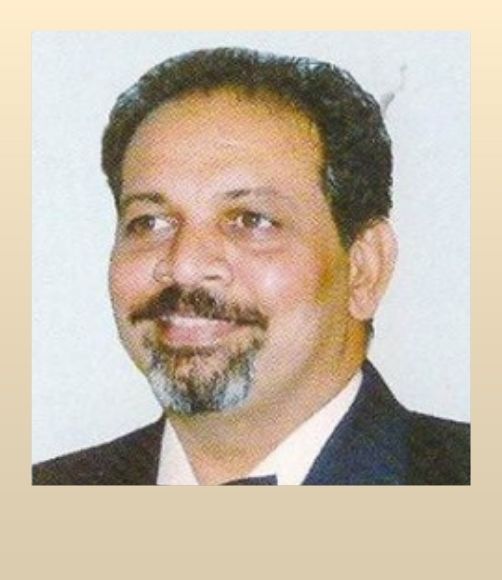
Dr. J. Patankar
Wiroc

07 - 08
December 1996
310
ATTENDED

Tata
hospital
Dr. N. R. Rathod
K. T. DHOLAKIA ORATION

Dr. S. N. Bhagwati
R. J. KATRAK ORATION
Dr. P. M. Desai
Dr. Talwalkar
Symposium
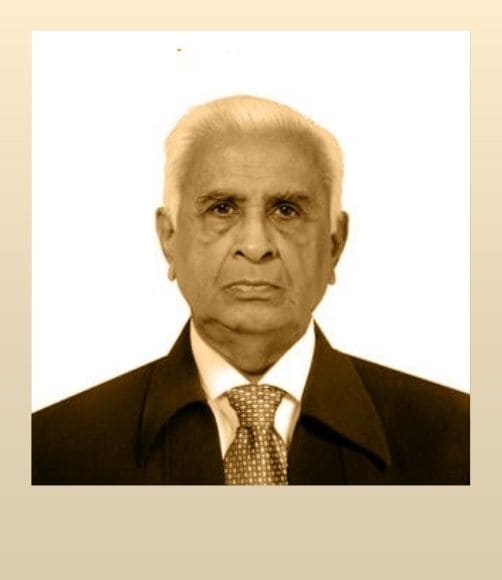
Dr. L. N. Vora
Dr. Talwalkar
Symposium
Dr. N. S. Laud
Dr. Talwalkar
Symposium
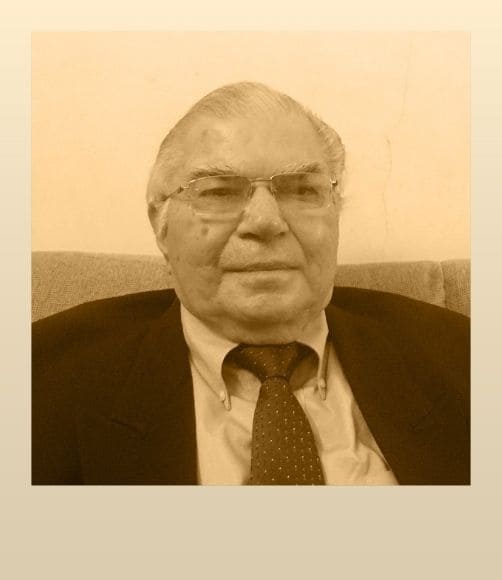
Dr. M. N. Shahane
Dr. Talwalkar
Symposium
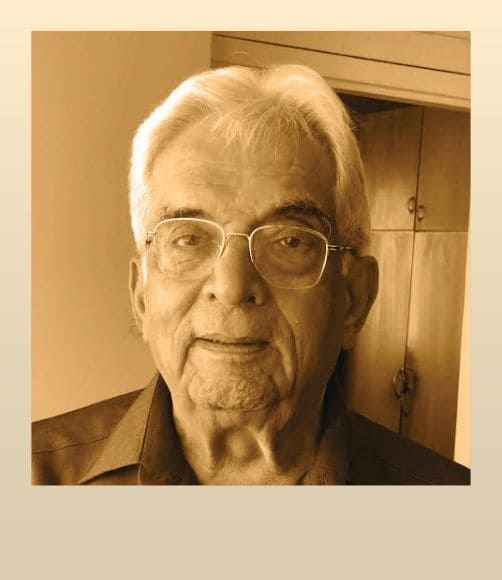
Dr. D. D. Tanna
Young Surgeon
Forum
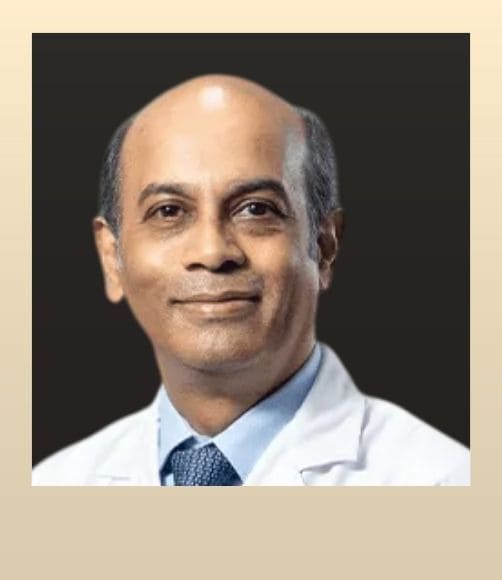
Dr. A. Aroojis
Young Surgeon
Forum
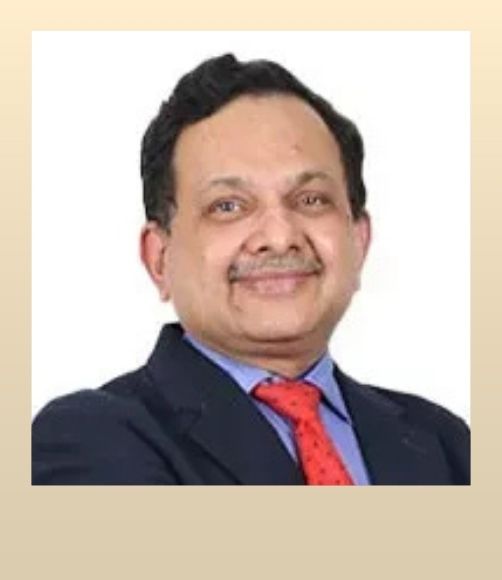
Dr. S. Archik
K. S. Masalawala
BEST PAPER AWARD
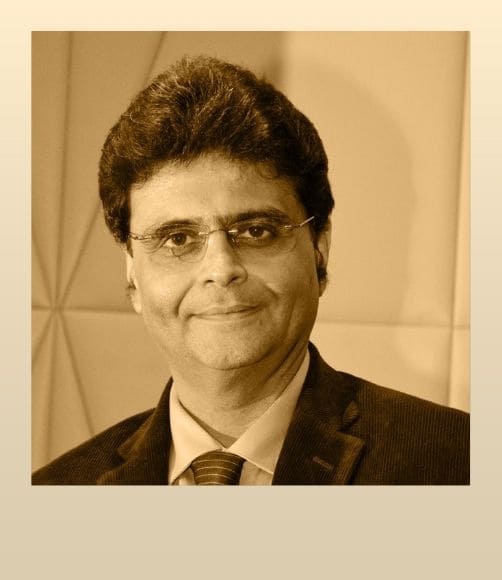
Dr. Ram Chaddha
1997
Modernising the Society’s Direction
Dr. B. R. Patel Drives Strategic Academic Changes
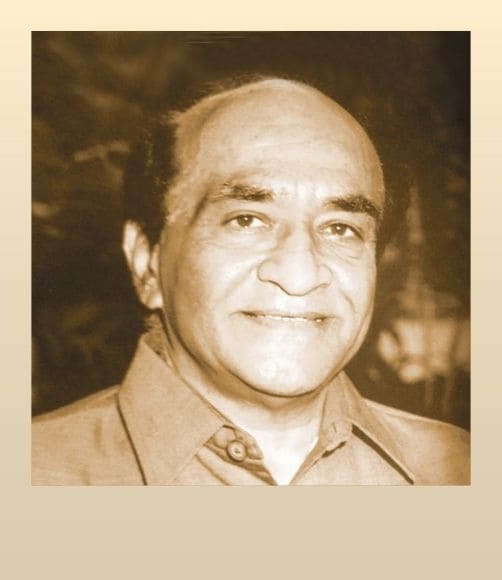
Dr. B. R. Patel
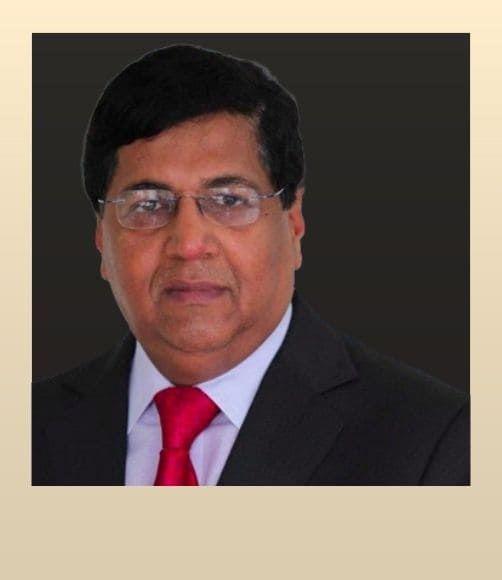
Dr. R. Y. Prabhoo
Dr. Nicholas Antao
Dr. Sudhir Warrier
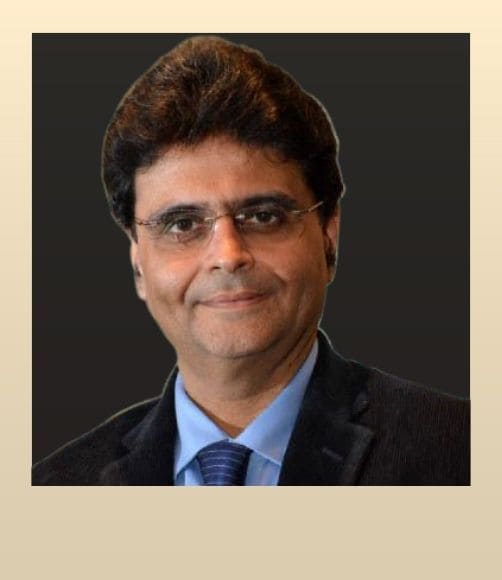
Dr. Ram Chaddha
Dr. S. S. Joshi
Dr. P. B. Bhosale
Dr. Aseem Parekh
Dr. J. Patankar
Wiroc
13 - 14
December 1997
Y. B. Chavan
Auditiorium
Dr. S. S. Joshi
K. T. DHOLAKIA ORATION
Dr. A. D. Chitale
R. J. KATRAK ORATION
Dr. D. D. Tanna
Dr. Talwalkar
Symposium
Dr. B. R. Patel
Dr. Talwalkar
Symposium
Dr. N. S. Laud
Dr. Talwalkar
Symposium
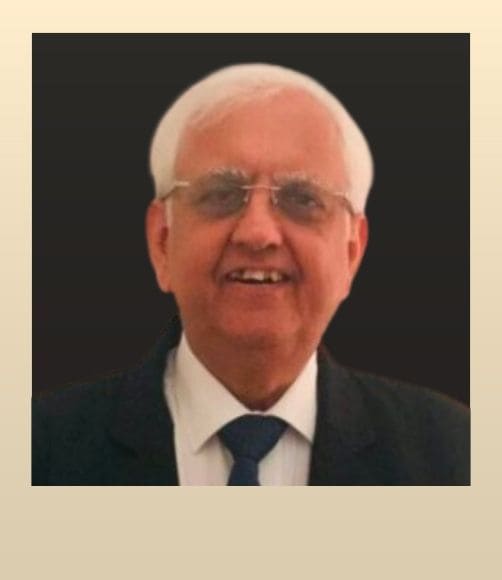
Dr. S. R. Mukhi
Dr. Talwalkar
Symposium
Dr. D. D. Tanna
Dr. Talwalkar
Symposium
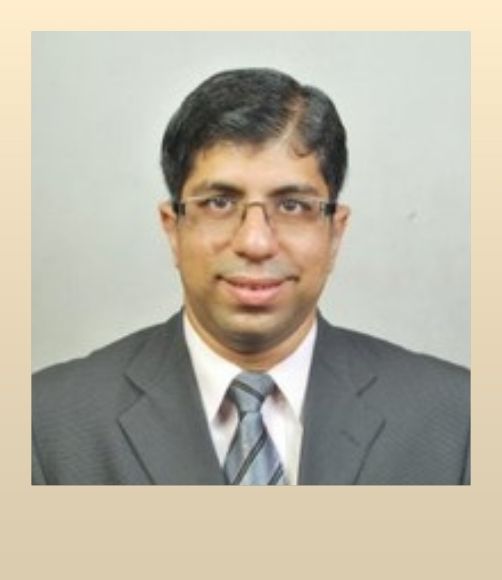
Dr. S. Vaidya
Dr. Talwalkar
Symposium
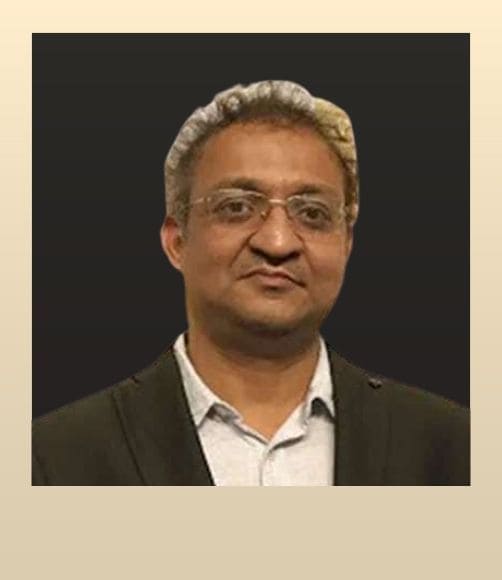
Dr. T. Nagda
Dr. Talwalkar
Symposium
Dr. B. R. Patel
Young Surgeon
Forum
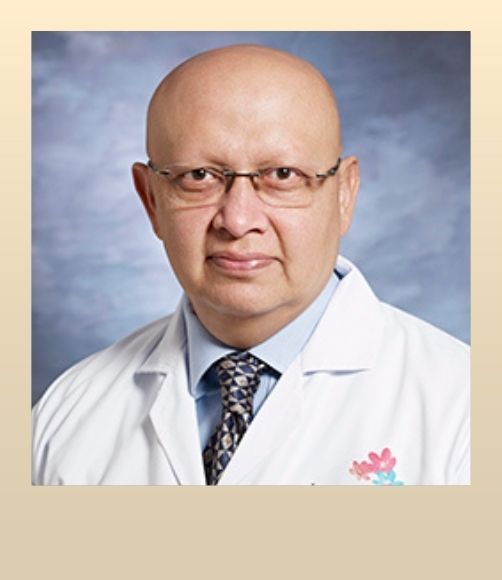
Dr. Sanjay Desai
Young Surgeon
Forum
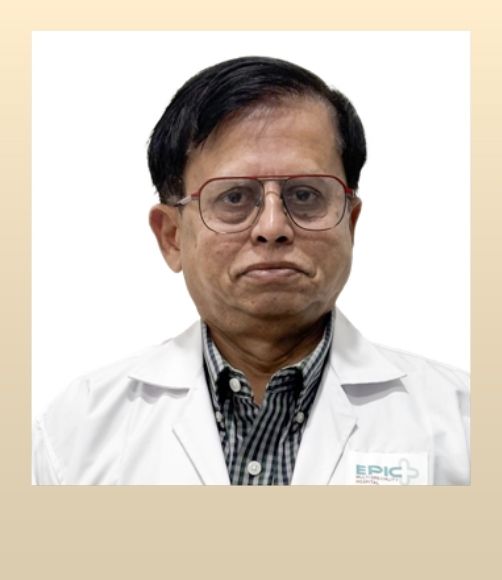
Dr. Nishith Shah
K. S. Masalawala
BEST PAPER AWARD
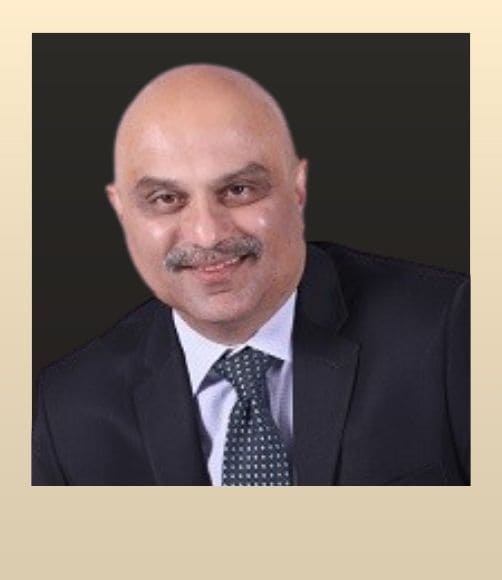
Dr. Samir Dalvie
1998
A Confident Step Toward the New Millennium
Dr. B. R. Patel Strengthens BOS’s Academic Identity
Dr. B. R. Patel
Dr. R. Y. Prabhoo
Dr. Nicholas Antao
Dr. Sudhir Warrier
Dr. Ram Chaddha
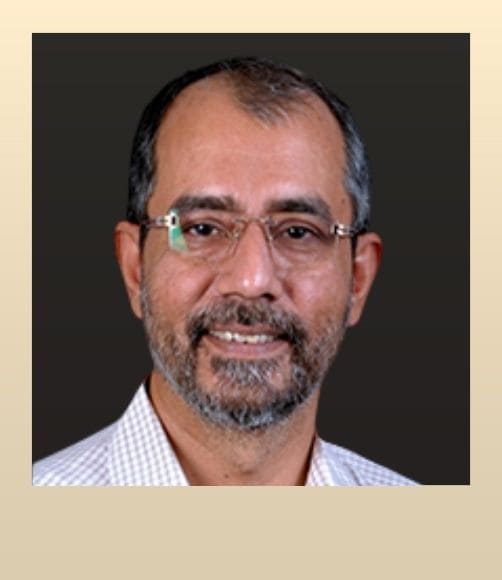
Dr. M. Parihar
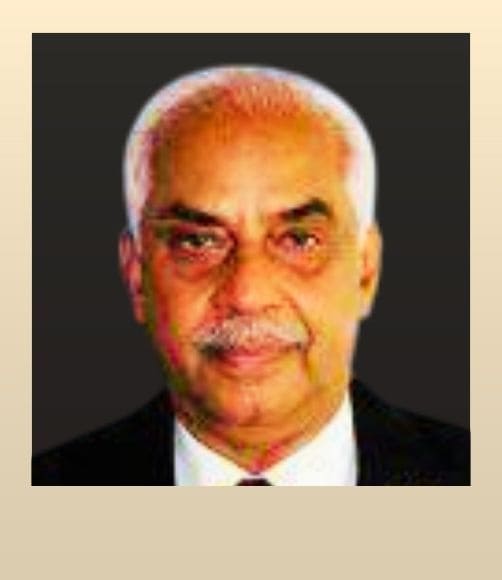
Dr. A. G. Ambardekar
Dr. Aseem Parekh
Dr. J. Patankar
Wiroc
12 - 13
December 1998
350
ATTENDED
Hotel Mumbai
Centaur
Dr. Ram Chaddha
Dr. Sudhir Warrier
K. T. DHOLAKIA ORATION
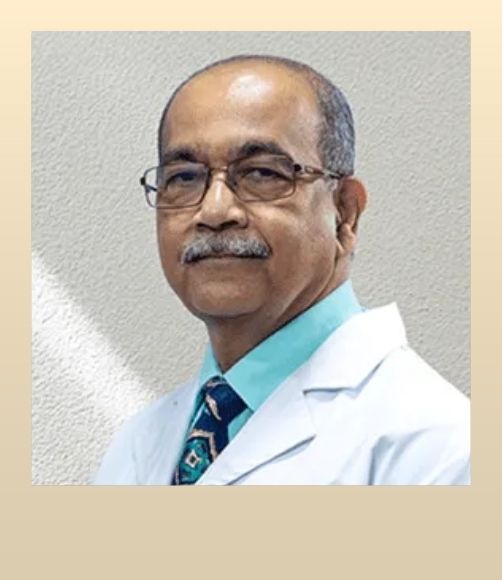
Dr. S. Kumta
R. J. KATRAK ORATION
Dr. N. S. Laud
Dr. Talwalkar
Symposium
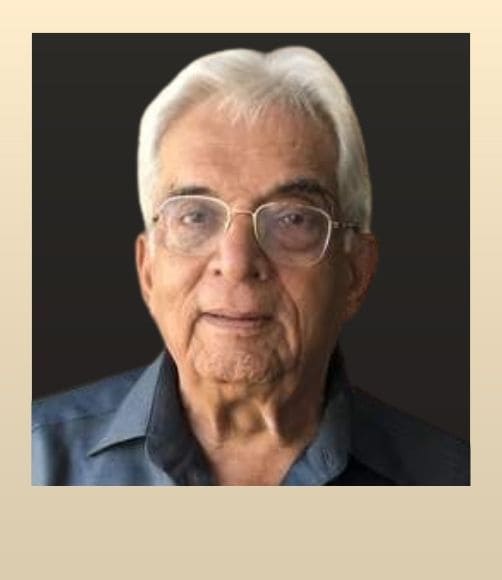
Dr. D. D. Tanna
Young Surgeon
Forum
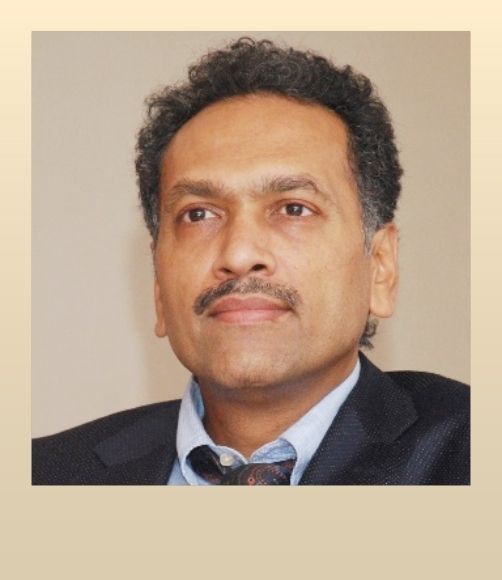
Dr. Milind Choudhary
Young Surgeon
Forum
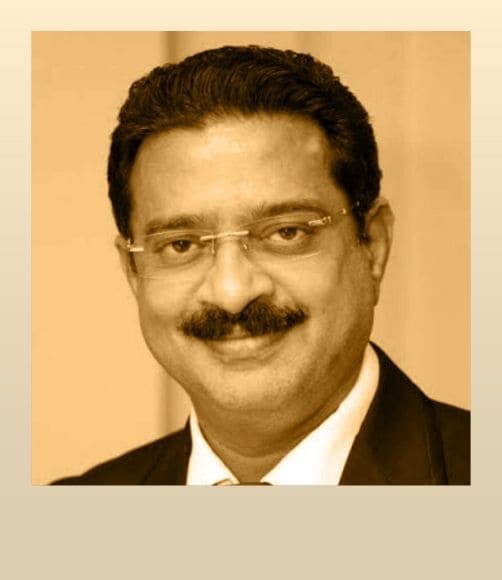
Dr. Arvind Goregaonkar
K. S. Masalawala
BEST PAPER AWARD
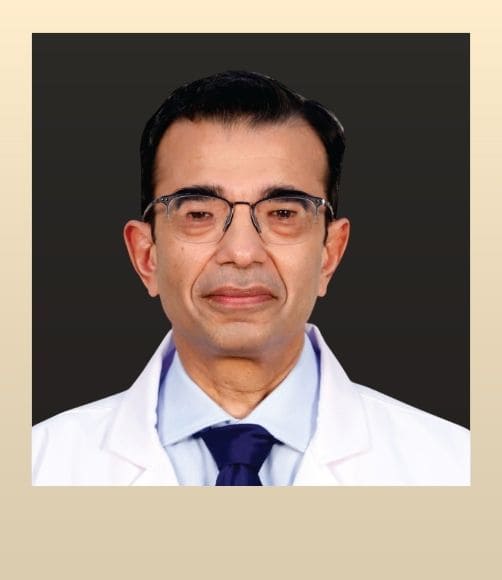
Dr. M. Agarwal
1999
A Year of Reorganisation and Focus
Dr. A. J. Thakur Sharpens BOS’s Administrative Structure
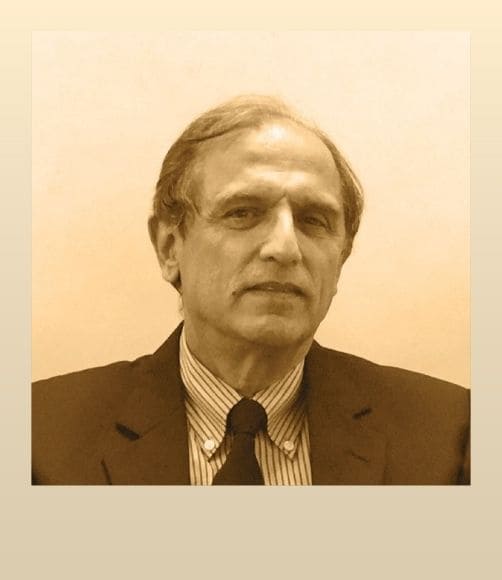
Dr. A. J. Thakur
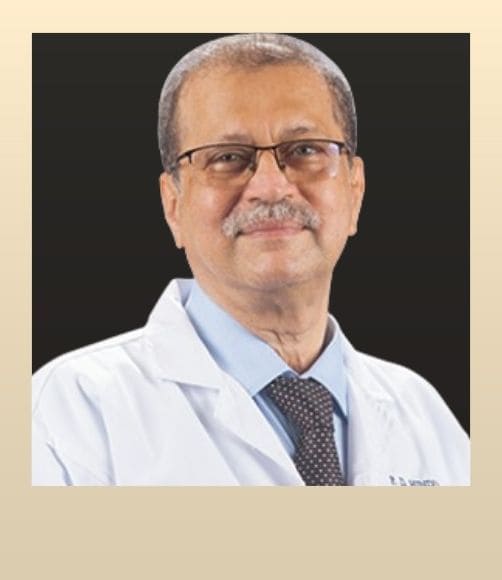
Dr. V. M. Agashe
Dr. Nicholas Antao
Dr. Sudhir Warrier
Dr. Ram Chaddha
Dr. M. Parihar
Dr. A. G. Ambardekar
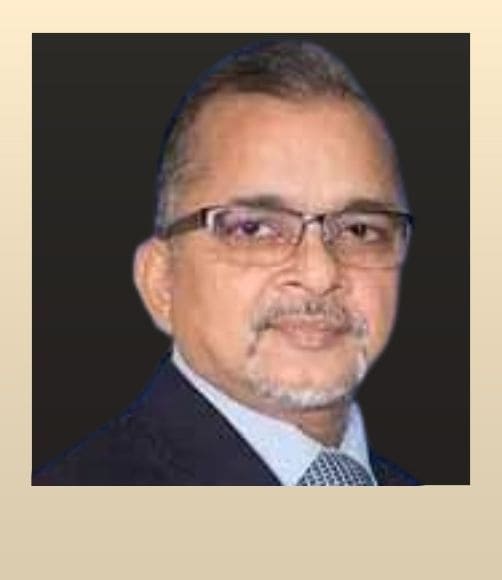
Dr. S. Gawhale
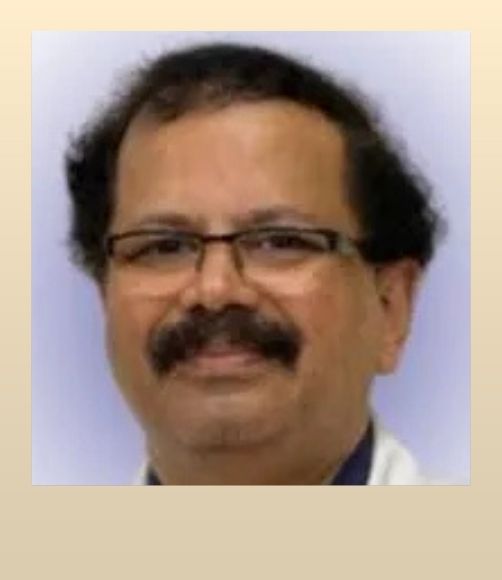
Dr. P. D. Samant
Wiroc
12 - 13
December 1999
421
ATTENDED
Hotel Mumbai
Centaur
Dr. M. Parihar
Dr. Sudhir Warrier
K. T. DHOLAKIA ORATION
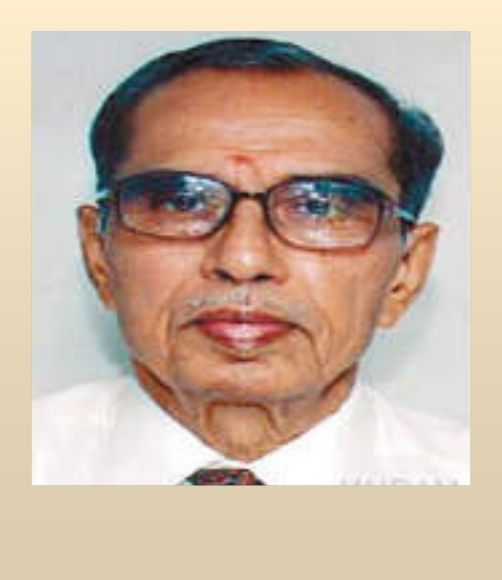
Dr. R. Venkataswami
R. J. KATRAK ORATION
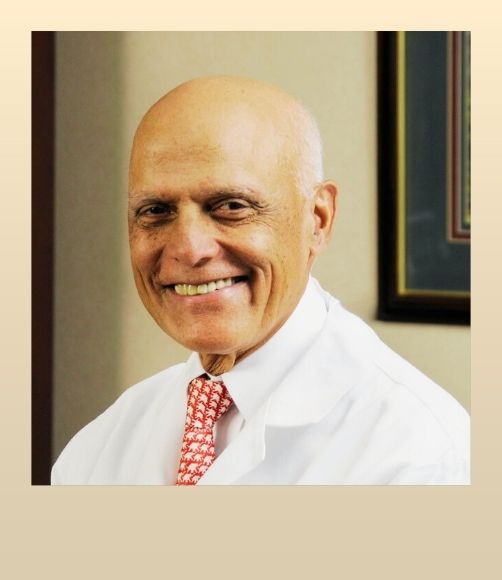
Dr. C. S. Ranawat
K. S. Masalawala
BEST PAPER AWARD
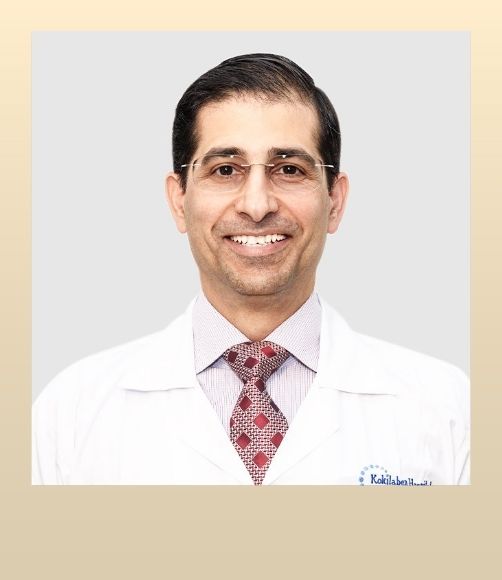
Dr. Dinshaw Pardiwala
2000
Building a Stronger Academic Framework
Dr. S. K. Sabnis Lays the Foundation for BOS’s Expansion
Dr. S. K. Sabnis
Dr. N. R. Rathod
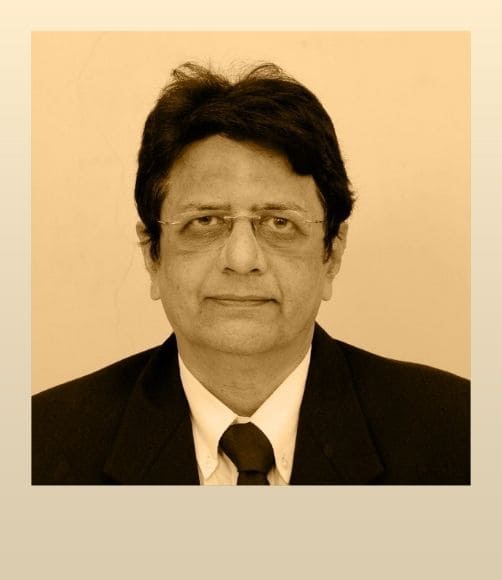
Dr. A. R. Karkhanis
Dr. Arvind Goregaonkar
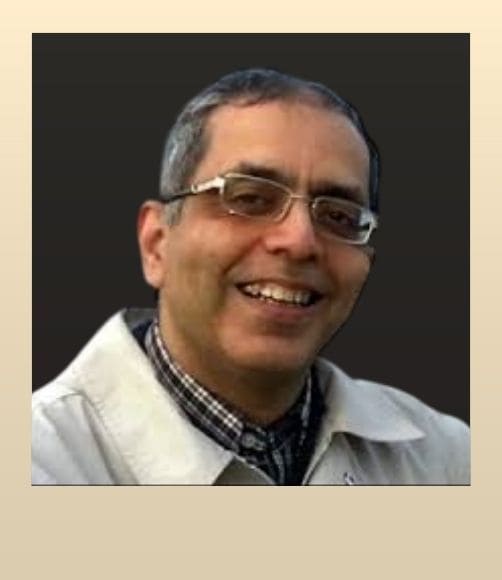
Dr. A. Puri
Dr. M. Parihar
Dr. D. D. Tanna
Dr. S. Gawhale
Dr. P. D. Samant
Wiroc
16 - 17
December 2000
464
ATTENDED
Hotel
Leela
Dr. S. Gawhale
Dr. P. D. Samant
K. T. DHOLAKIA ORATION
Dr. S. D. Bhandarkar
R. J. KATRAK ORATION
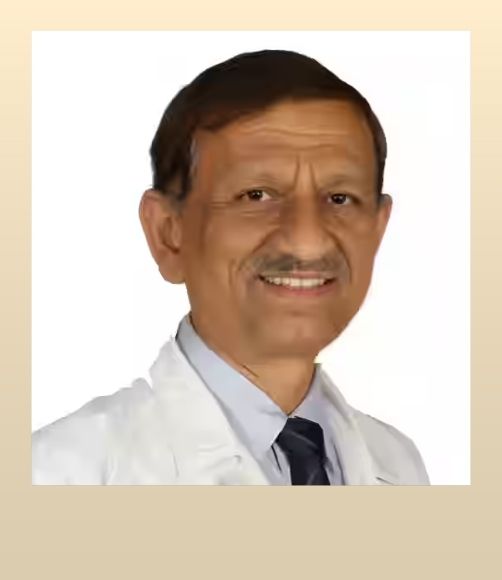
Dr. G. S. Kulkarni
Dr. Talwalkar
Symposium
Dr. D. D. Tanna
Dr. Talwalkar
Symposium
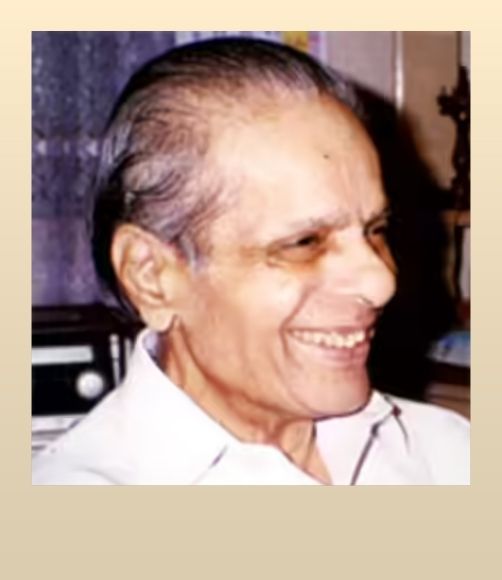
Dr. A. V. Bavdekar
Dr. Talwalkar
Symposium
Dr. G. S. Kulkarni
Dr. Talwalkar
Symposium
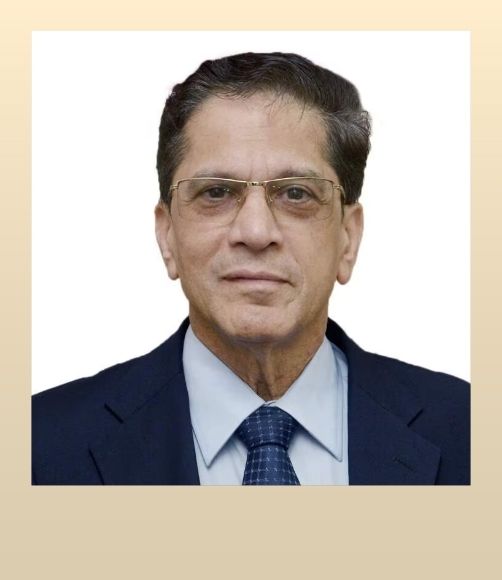
Dr. V. R. Kakatkar
Young Surgeon
Forum
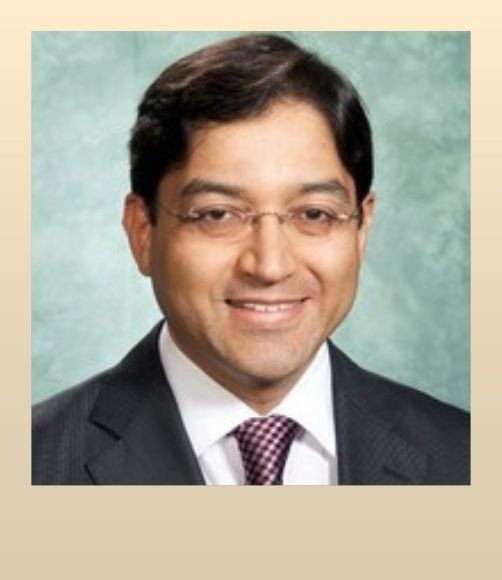
Dr. Arun Mullaji
K. S. Masalawala
BEST PAPER AWARD
Dr. Samir Kumta
2001
A Year of Consolidation & Direction
Dr. P. H. Vora Leads BOS Into a New Academic Phase
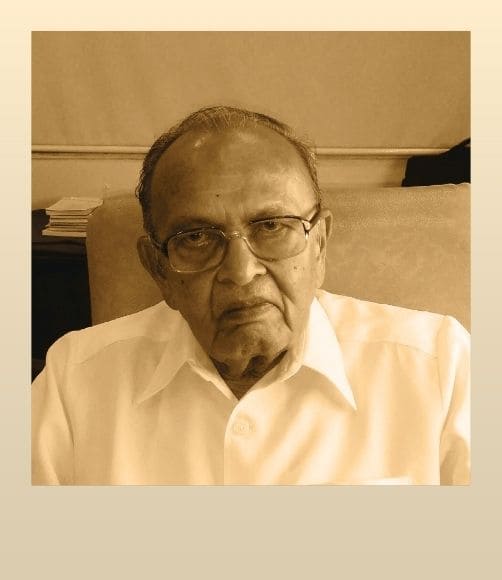
Dr. P. H. Vora
Dr. S. K. Sabnis
Dr. N. R. Rathod
Dr. A. R. Karkhanis
Dr. Sangeet Gawhale
Dr. Prakash Samant
Dr. Ajay Puri
Dr. Arvind Goregaonkar
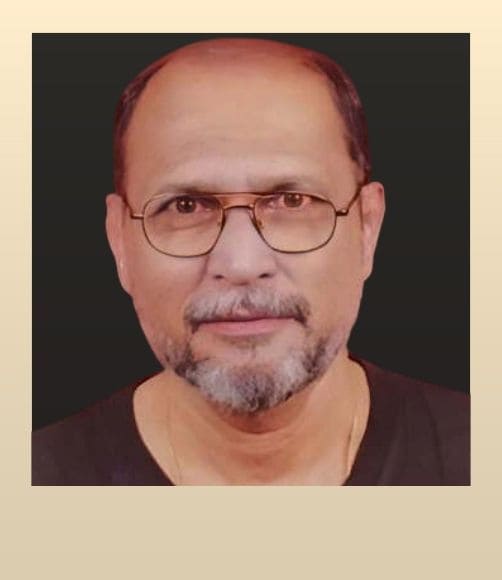
Dr. Ashith Rao
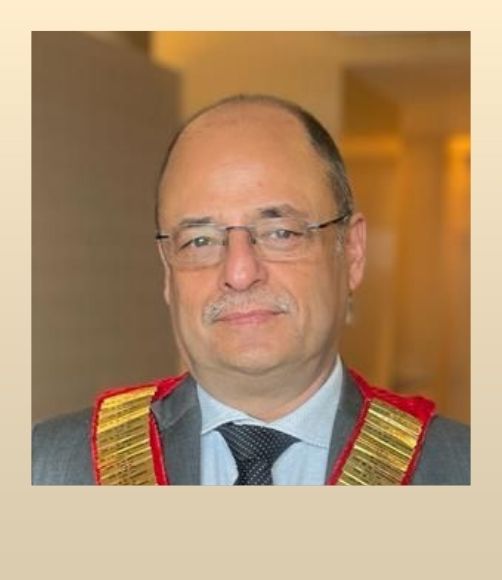
Dr. Sanjay Dhar
Wiroc
Dr. P. D. Samant
K. S. Masalawala
BEST PAPER AWARD
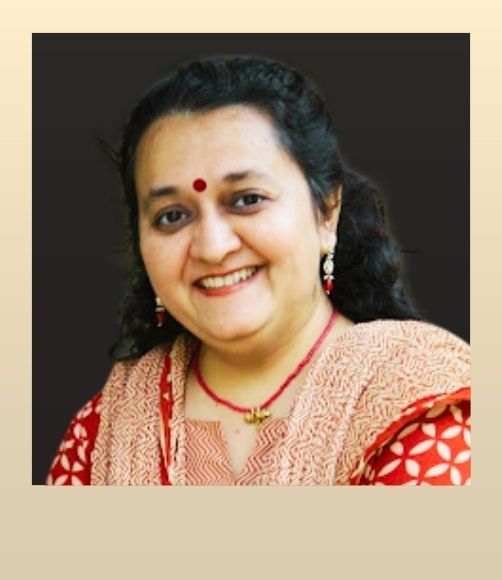
Dr. Rujuta Mehta
2002
Strengthening Professional Unity
Dr. D. D. Tanna Advances BOS’s Academic Standards
Dr. D. D. Tanna
Dr. P. H. Vora
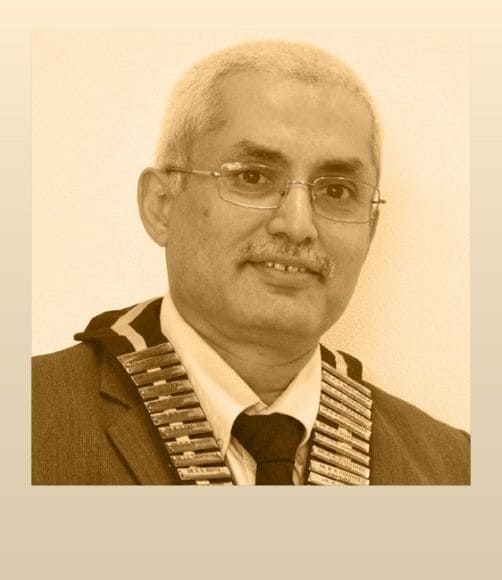
Dr. Sudhir Warrier
Dr. A. R. Karkhanis
Dr. Arvind Goregaonkar
Dr. Ashith Rao
Dr. Sanjay Dhar
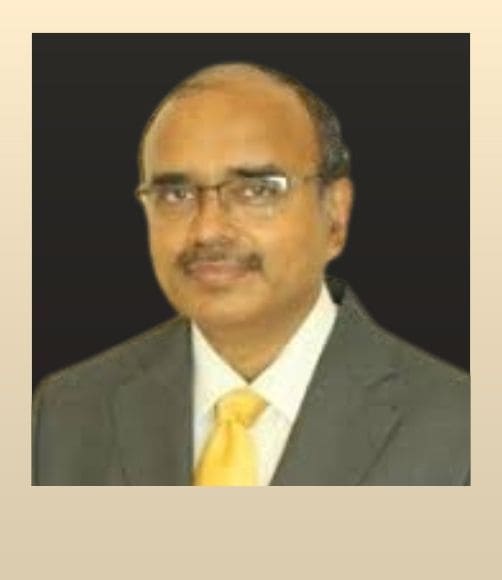
Dr. S. S. Mohanty
Dr. Taral Nagda
Wiroc
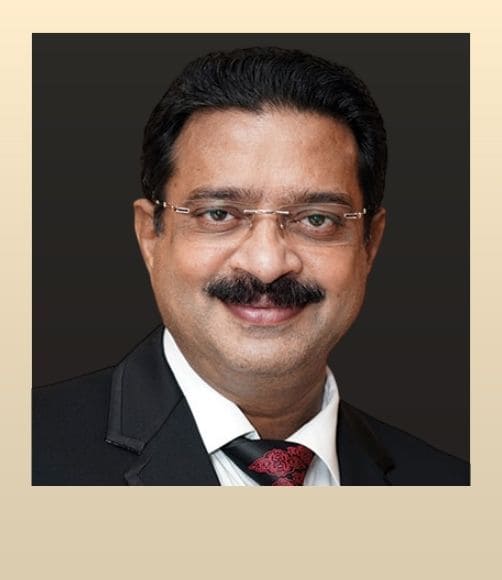
Dr. A. B. Goregaonkar
2003
A Steady March Toward Excellence
Dr. A. G. Ambardekar Guides BOS Through Structured Growth
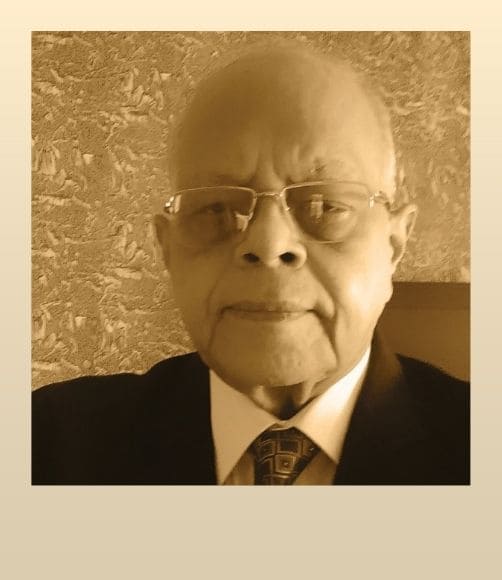
Dr. A. G. Ambardekar
Dr. D. D. Tanna
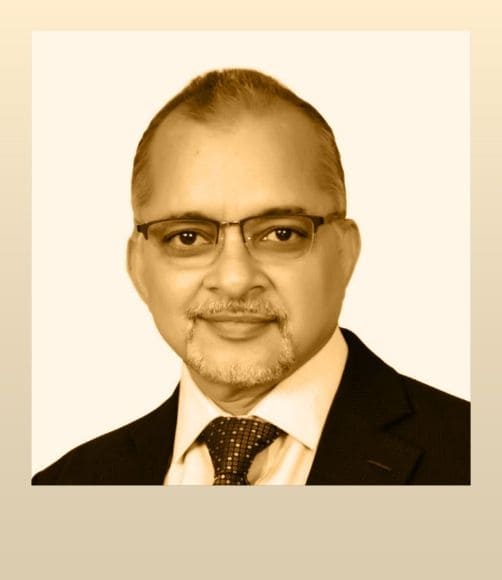
Dr. Sangeet Gawhale
Dr. A. R. Karkhanis
Dr. Ashith Rao
Dr. Sanjay Dhar
Dr. S. S. Mohanty
Dr. Taral Nagda
Dr. Manish Agarwal
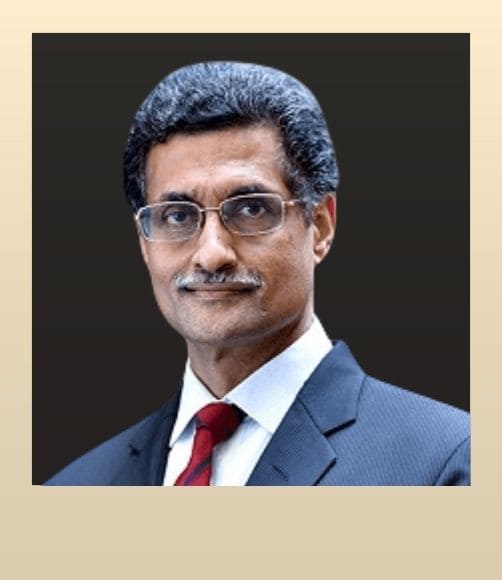
Dr. Harish Bhende
Wiroc
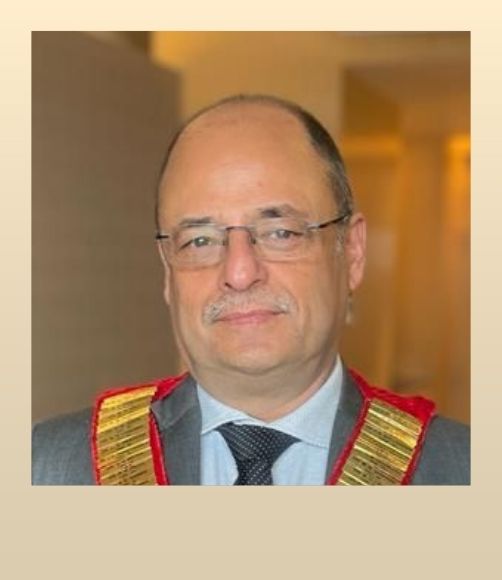
Dr. Sanjay Dhar
K. T. DHOLAKIA ORATION
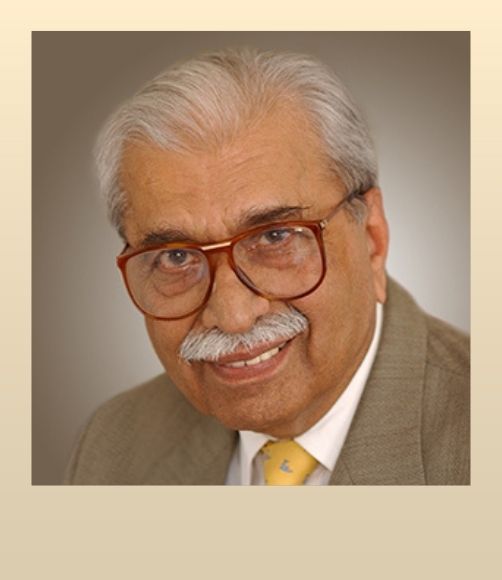
Dr. N. H. Wadia
R. J. KATRAK ORATION
Dr. A. J. Thakur
Dr. Talwalkar
Symposium
Dr. Sangeet Gawhale
Dr. Talwalkar
Symposium
Dr. D. D. Tanna
Dr. Talwalkar
Symposium
Dr. Joy Patankar
Dr. Talwalkar
Symposium
Dr. V. R. Kakatkar
Veteran Surgeon
Forum
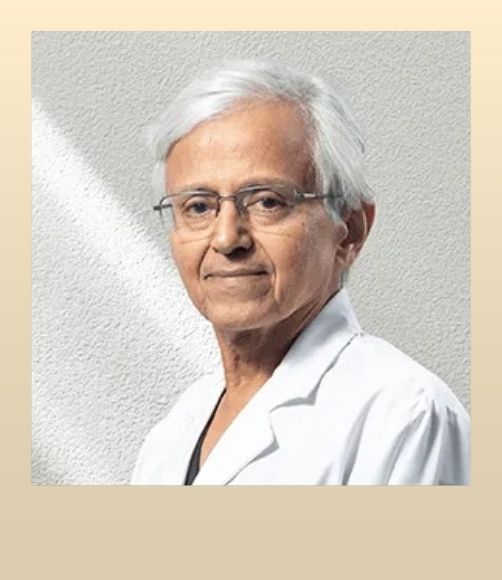
Dr. S. Y. Bhojraj
Young Surgeon
Forum
Dr. Dinshaw Pardiwala
K. S. Masalawala
BEST PAPER AWARD
Dr. Dhiren Mahida
2004
Collaboration & Academic Advancement
Dr. Ram Prabhoo Expands BOS’s Educational Activities
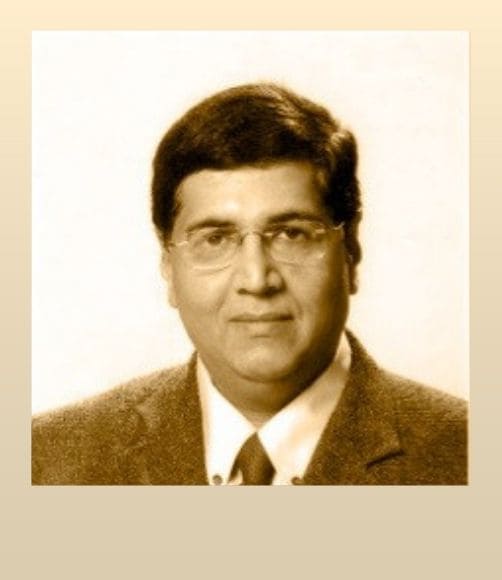
Dr. Ram Prabhoo
Dr. A. G. Ambardekar
Dr. A. R. Karkhanis
Dr. Ram Chaddha
Dr. S. S. Mohanty
Dr. Taral Nagda
Dr. Manish Agarwal
Dr. Harish Bhende
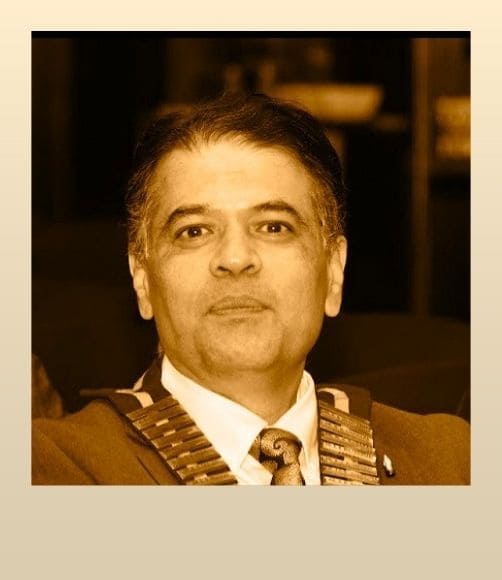
Dr. Sunil Shahane
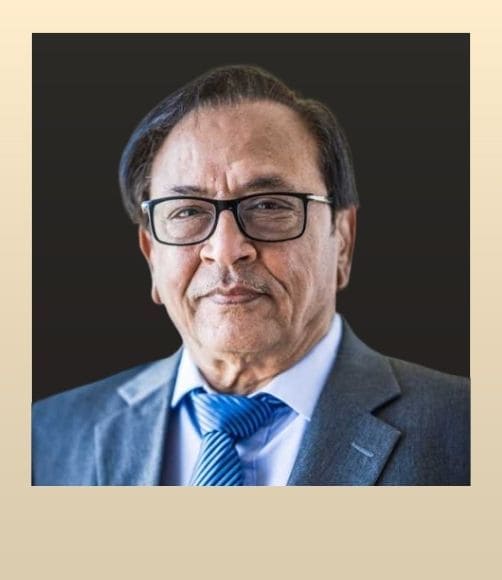
Dr. Atul Shah
Wiroc
Dr. S. S. Mohanty
R. J. KATRAK ORATION
Dr. T. Hara
Dr. Talwalkar
Symposium
Dr. N. S. Laud
Veteran Surgeon
Forum
Dr. Mukesh Agarwal
K. S. Masalawala
BEST PAPER AWARD
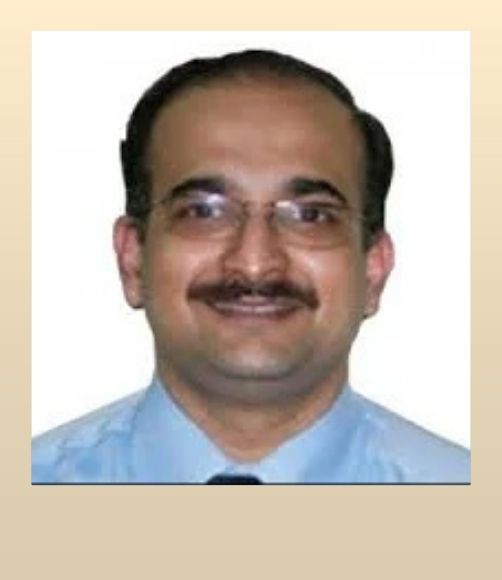
Dr. Yogesh Panchwagh
2005
Deepening Scientific Engagement
Dr. Ram Prabhoo Reinforces BOS’s Academic Commitments
Dr. Ram Prabhoo
Dr. A. G. Ambardekar
Dr. Nicholas Antao
Dr. Ram Chaddha
Dr. Manish Agarwal
Dr. Harish Bhende
Dr. Sunil Shahane
Dr. Atul Shah
Dr. Samir Dalvie
Dr. Alaric Aroojis
Wiroc
K. T. DHOLAKIA ORATION
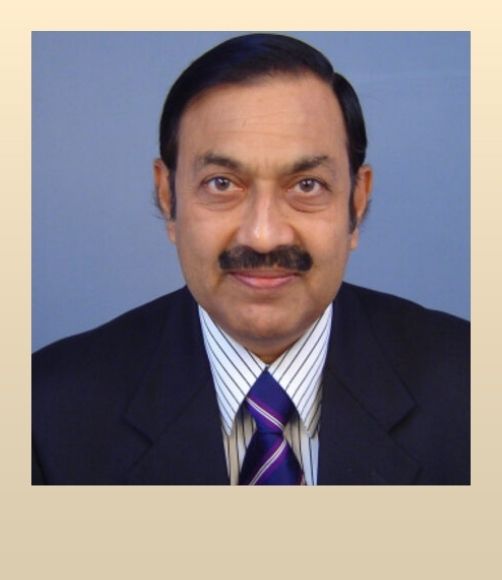
Dr. Visveswar Bhattacharya
R. J. KATRAK ORATION
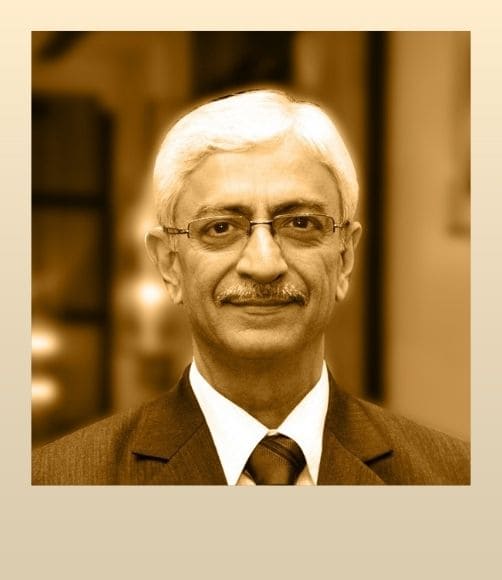
Dr. C. J. Thakkar
Visual
traces
of the heritage