The
First Step
The
First Step
toward a shared dream
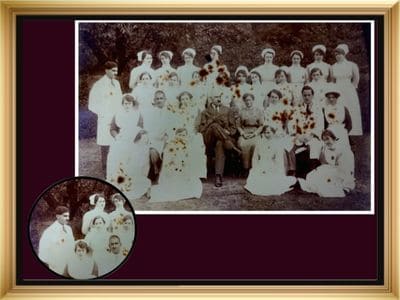
The story of the Bombay Orthopaedic Society begins much before its formal birth in 1965; in an era when the seeds of organised orthopaedic education in India were just beginning to germinate.
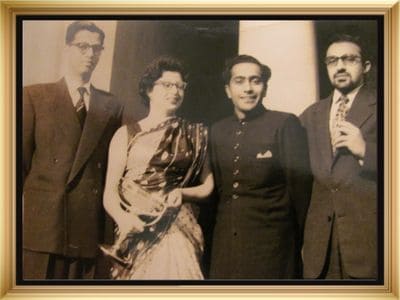
In 1953, the World Health Organisation sent a medical team to India, and among them was Sir Henry Osmond-Clarke, an orthopaedic surgeon of great eminence. His visit stirred curiosity and excitement in the young discipline of orthopaedics that was still finding its identity in the country. A few years later, in December 1958, Sir Harry Platt - one of the great names in world orthopaedics came to Mumbai to attend the Association of Surgeons of India (ASI) annual conference. These visits were not mere events; they were sparks that ignited the imagination of Indian surgeons, especially in Mumbai, which was then emerging as the country’s medical capital.
At that time, the city of Bombay was blessed with towering figures who laid the foundations of modern orthopaedic surgery in western India. Dr. R. J. Katrak, Dr. M. G. Kini, Dr. A. K. Talwalkar, Dr. K. T. Dholakia, Dr. K. S. Masalawala, Dr. (Miss) P. K. Mullaferoze, and Dr. M. V. Sant. Their commitment, skill, and vision gave the specialty both direction and dignity.
As the 1950s drew to a close, a younger group of surgeons. Dr. M. A. Vali, Dr. G. S. Chawara, Dr. R. M. Bhansali, and Dr. J. C. N. Joshipura joined the growing orthopaedic fraternity. They were full of enthusiasm and yearned for more structured academic activities. Acting on a shared impulse, the city’s orthopaedic surgeons began to meet once a month in the evenings to discuss cases and share experiences. These informal gatherings became the first true academic meetings of Bombay’s orthopaedic community; a humble beginning that would one day grow into something far greater.
Soon after, more surgeons like Dr. S. K. Bhulchandani, Dr. J. C. Taraporevala, Dr. K. V. Chaubal, and Dr. L. N. Vora made Bombay their professional home. With over a dozen active orthopaedic surgeons, the city was ready for an organised academic body.
In 1961, the Orthopaedic Section of the ASI (which would later evolve into the Indian Orthopaedic Association) instituted the Johnson & Johnson Traveling Fellowship. Dr. A. K. Talwalkar was instrumental in conceptualising this fellowship; a visionary step that reflected his remarkable wisdom, diligence, and persuasive leadership. Each year, the visit of the J&J fellows to Mumbai became a festival of learning and camaraderie, filled with case discussions, teaching sessions, and warm social gatherings that strengthened professional bonds.
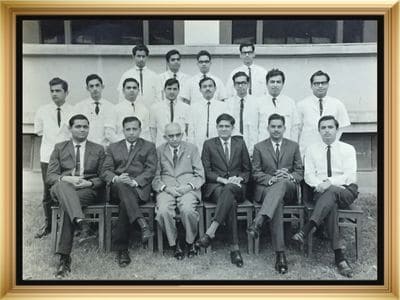
By 1964, the city’s pride swelled when Dr. R. J. Katrak was elected an Honorary Fellow of the British Orthopaedic Association - the first Indian to be so honoured. The entire orthopaedic fraternity of Mumbai gathered on the lawns of Seth G. S. Medical College in January 1965 to felicitate him. The event, rich with affection and respect, became a turning point. A generous fund was raised through contributions from the fraternity and amidst that atmosphere of celebration and unity, a collective decision was made: to form a formal organisation dedicated to orthopaedic education and fellowship.
Thus, in 1965, the Bombay Orthopaedic Society (BOS) was born; one of the earliest such societies in India, second only to the Orthopaedic Section of the ASI. A formal constitution was adopted, and the first Executive Committee was constituted:
Executive Committee
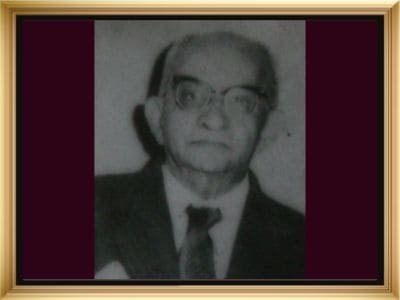
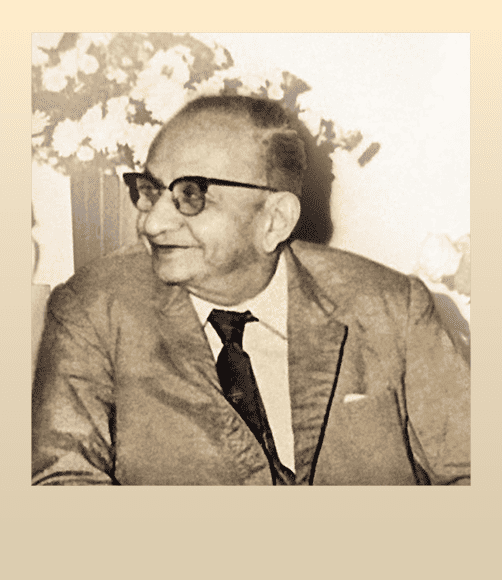
Dr. R. J. Katrak
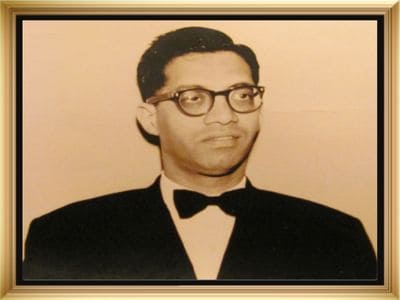
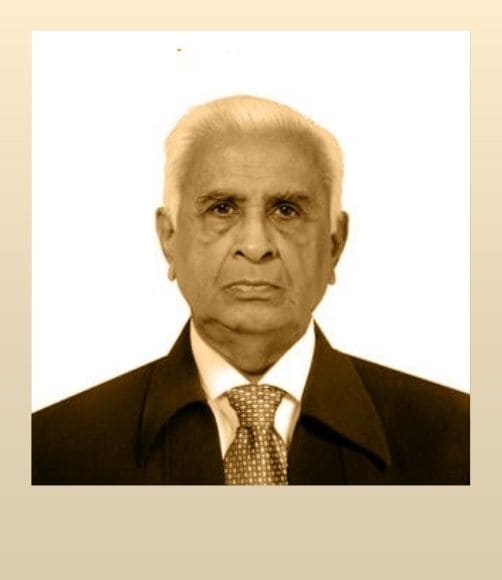
Honorary PresidentDr. L. N. Vora
Honorary SecretaryDr. (Miss) P. K. Mullaferoze
Executive Committee MemberDr. K. S. Masalawala
Executive Committee MemberBuoyed by the enthusiasm and support of colleagues, the new Society resolved to host a Regional Orthopaedic Conference, a platform that would bring together surgeons from western India who were otherwise unable to attend the national meetings of the ASI. Since the Society was geographically situated in the west, it was aptly named the Western India Regional Orthopaedic Conference - WIROC.
The Katrak Oration was instituted in honour of Dr. R. J. Katrak, the Society’s first president and guiding force. The inaugural oration was delivered by the legendary Prof. Dr. B. Mukhopadhyay of Patna. In the early years, the Katrak Orators were distinguished surgeons from outside Mumbai; luminaries such as Dr. K. S. Grewal and Dr. N. V. Natarajan, before the honour later extended to eminent members from within the BOS itself.
The first WIROC was held in Mumbai in November 1966, inaugurated by Dr. Arthur E. DeSa, then President of the ASI. It marked the dawn of a new era in orthopaedic collaboration and learning in India. The event brought together surgeons not only from Mumbai but from across Maharashtra, Gujarat, Karnataka, and Madhya Pradesh. The spirit of academic exchange spread rapidly, and the conference began to travel to Pune, Nashik, Sholapur, Ahmedabad, Vadodara, Mahabaleshwar, and Mount Abu, carrying with it the warmth, intellect, and camaraderie that had defined the Society since its inception.
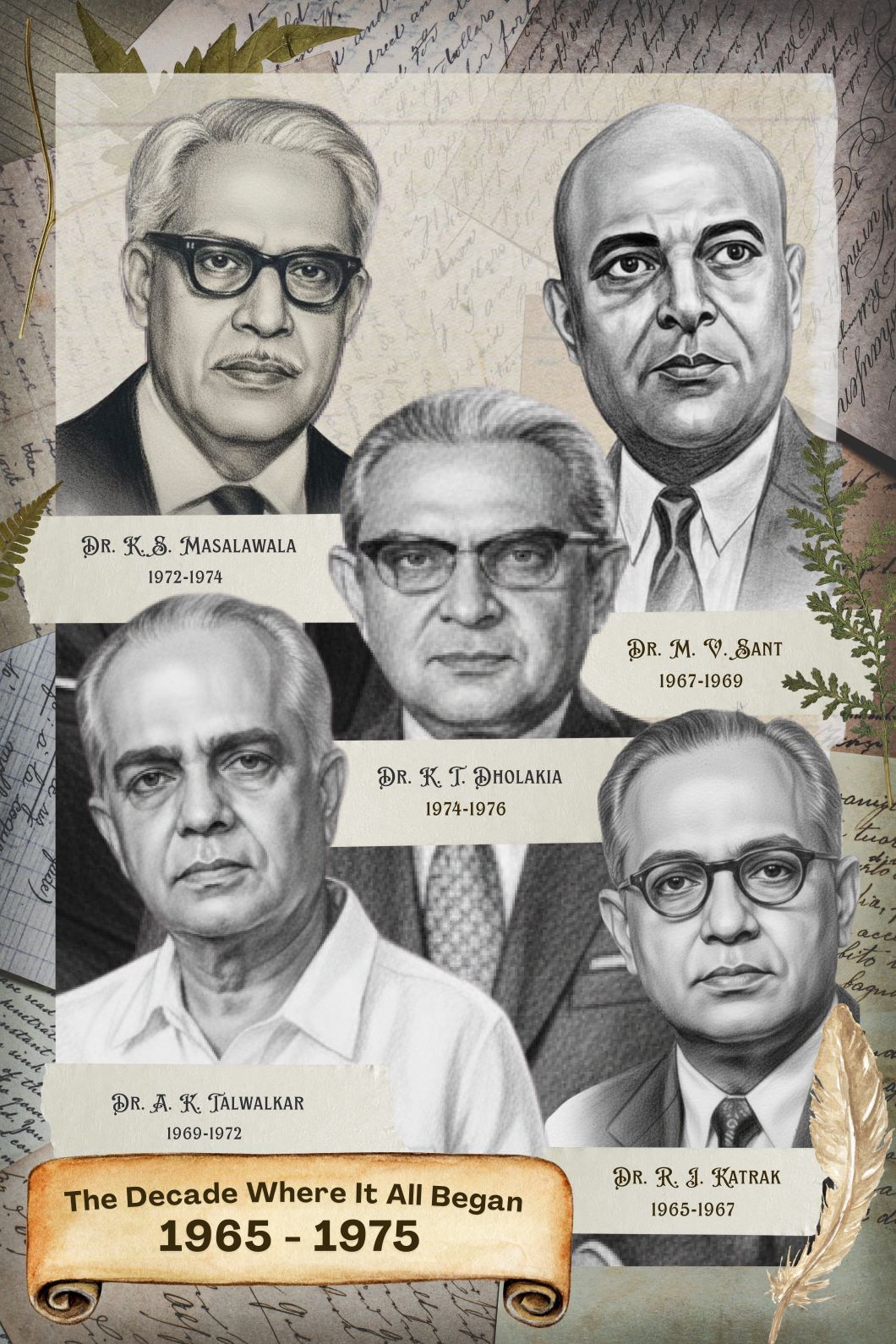
The decade from 1965 to 1975 was thus one of Sankalp (resolution), commitment, and faith. It was a time when a handful of determined surgeons turned an idea into an enduring institution. They met after long days in hospitals, often with no resources except their resolve. What they built in those years was more than an organisation; it was a community of purpose; one that continues, even six decades later, to nurture, inspire, and unite orthopaedic surgeons across generations.
 A
Chapter
A
Chapter
framed in memories
1965
BOS is Born
Dr. R. J. Katrak Leads the Founding Vision of a New Orthopaedic Era
Dr. R. J. Katrak
Dr. L. N. Vora
1966
Strengthening the Foundation
Dr. R. J. Katrak Continues to Build the Society’s Early Structure
Dr. R. J. Katrak
Dr. L. N. Vora
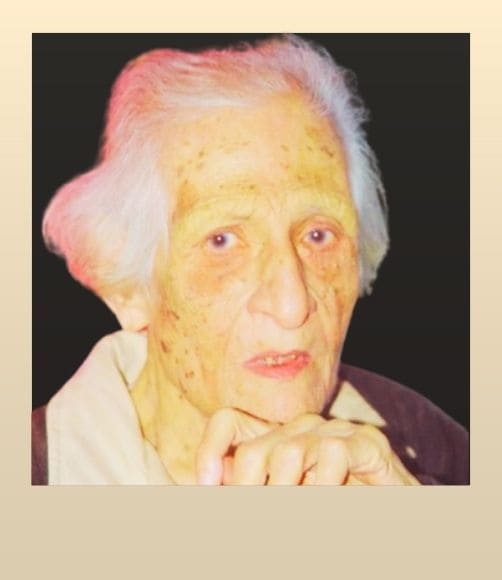
Dr. P. K. Mullaferoze
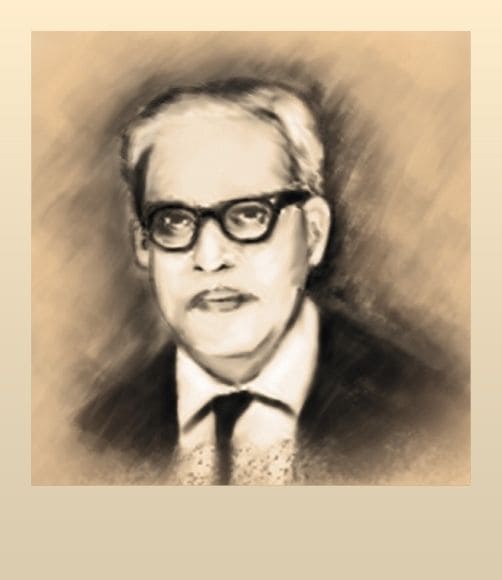
Dr. K. S. Masalawala
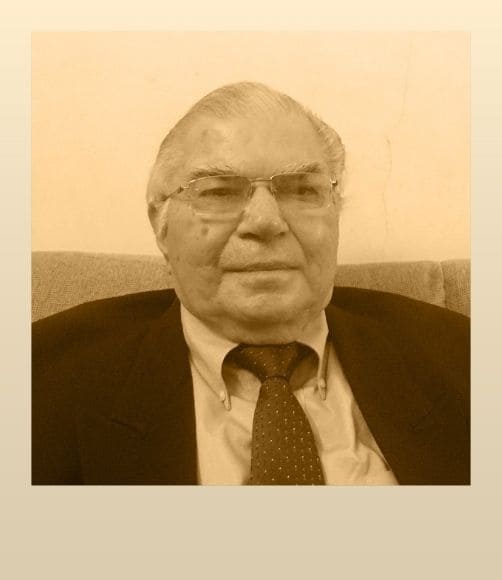
Dr. M. N. Shahane
Wiroc

19 - 20
November 1966

C. V. T. C. - KEM
HOSPITAL KUMBAI
Dr. L. N. Vora
R. J. KATRAK ORATION
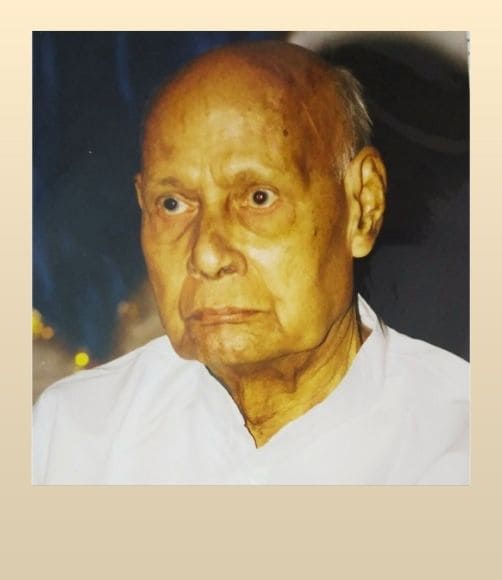
Prof. B. Mukhopadhyaya
1967
A New Chapter Begins
Dr. M. V. Sant Guides BOS Into Its First Phase of Growth
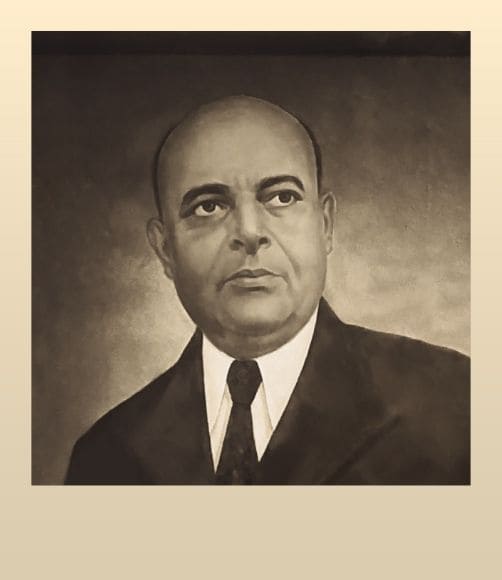
Dr. M. V. Sant
Dr. L. N. Vora
Dr. P. K. Mullaferoze
Dr. K. S. Masalawala
Dr. M. N. Shahane
Wiroc
19
November 1967
Ahmedabad

Dr. M. T. Mehta
1968
Broadening the Orthopaedic Circle
Dr. M. V. Sant Expands Engagement Across the Community
Dr. M. V. Sant
Dr. S. K. Bhandare
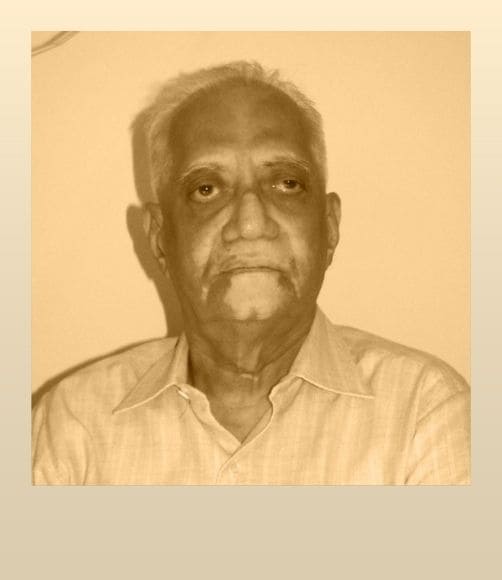
Dr. K. V. Chaubal
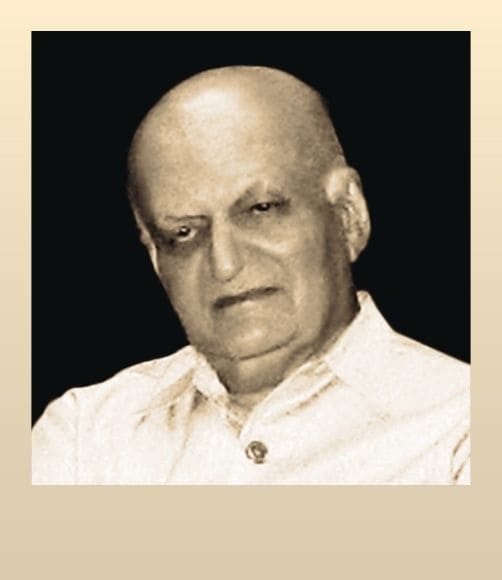
Dr. J. C. N. Joshipura
Dr. M. N. Shahane
Wiroc
10
November 1968
40
ATTENDED
IMA Bldg.,
Opp. Willngdon Club
Dr. S. K. Bhandare
R. J. KATRAK ORATION
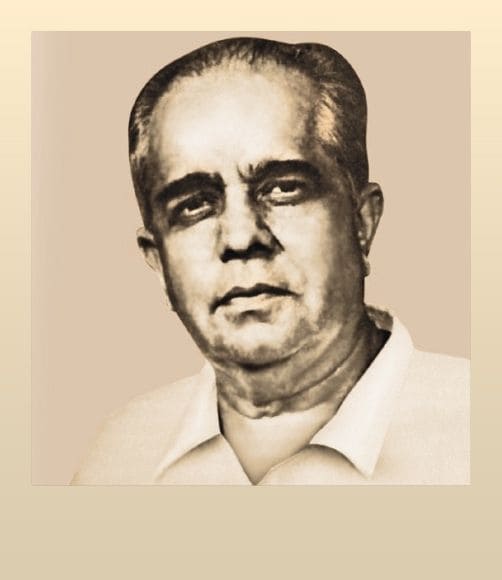
Dr. A. K. Talwalkar
1969
The Talwalkar Era Emerges
Dr. A. K. Talwalkar Infuses Fresh Academic Direction
Dr. A. K. Talwalkar
Dr. S. K. Bhandare
Dr. K. V. Chaubal
Dr. J. C. N. Joshipura
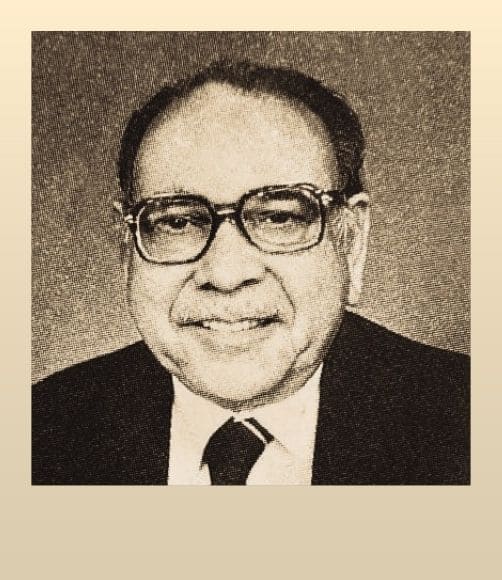
Dr. B. B. Joshi
Wiroc
Armed Forces
Medical College, Pune
Dr. S. G. Takate
R. J. KATRAK ORATION
Dr. L.K. Ananthanarayanan
1970
Laying Strong Academic Roots
Dr. A. K. Talwalkar Strengthens Structured Learning
Dr. A. K. Talwalkar
Dr. S. K. Bhandare
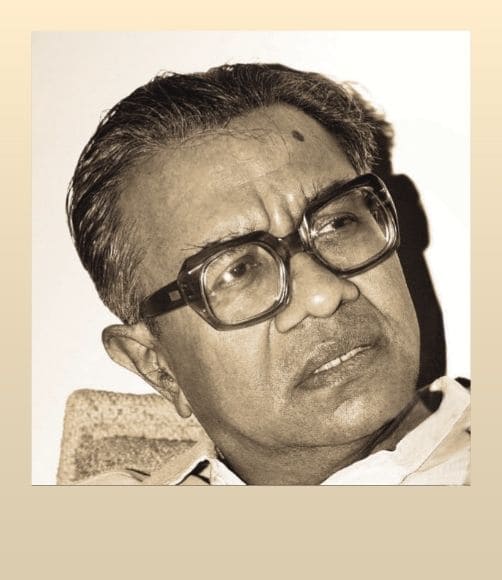
Dr. R. M. Bhansali
Dr. J. C. N. Joshipura
Dr. B. B. Joshi
Wiroc
15
November 1970
MLT-KEM
Hospital Mumbai
Dr. S. K. Bhandare
R. J. KATRAK ORATION
Dr. K. S. Masalawala
1971
Steady Progress & Consolidation
Dr. A. K. Talwalkar Stabilizes BOS’s Administrative Framework
Dr. A. K. Talwalkar
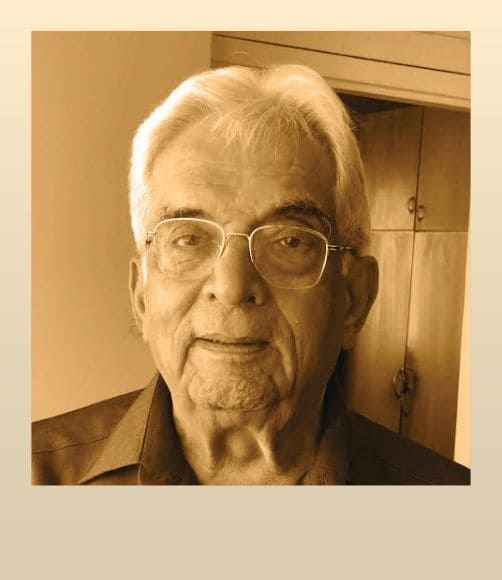
Dr. D. D. Tanna
Dr. R. M. Bhansali
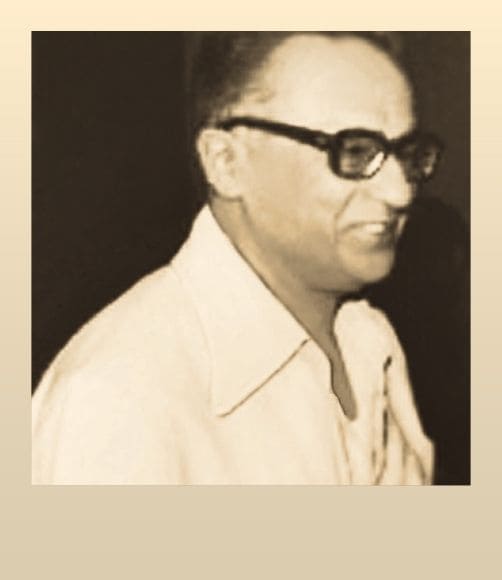
Dr. W. G. Rama Rao
Dr. B. B. Joshi
Wiroc
07
November 1971
Central Auditorium
Med.College, Baroda
Dr. S. Trivedi
R. J. KATRAK ORATION
Prof A. K. Gupta
1972
A Transition Toward New Leadership
Dr. K. S. Masalawala Brings Renewed Energy to BOS
Dr. K. S. Masalawala
Dr. M. N. Shahane
Dr. R. M. Bhansali
Dr. W. G. Rama Rao
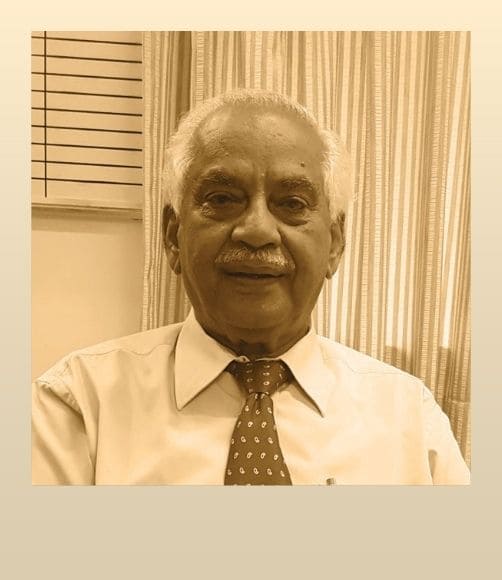
Dr. N. S. Laud
Wiroc
19
November 1972
61
ATTENDED
Jivraj Mehta Lecture
Theatre, KEM Hosp
Dr. M. N. Shahane
R. J. KATRAK ORATION
Dr. R. M. Bhansali
1973
Momentum & Expansion Continue
Dr. K. S. Masalawala Leads Another Year of Growth
Dr. K. S. Masalawala
Dr. M. N. Shahane
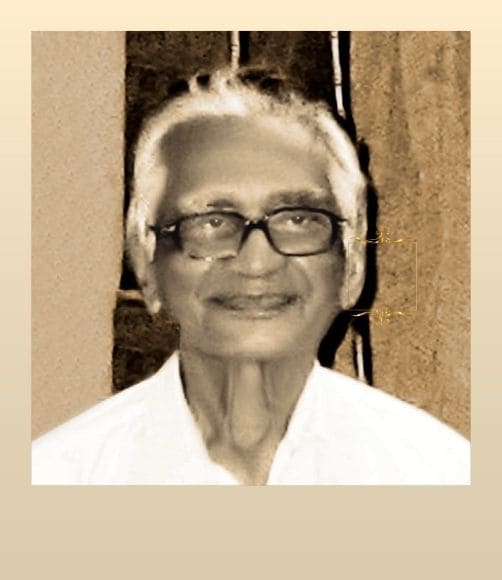
Dr. C. G. Pradhan
Dr. W. G. Rama Rao
Dr. N. S. Laud
Dr. K. V. Chaubal
Wiroc
15 - 18
November 1973
Mount
Abu
Dr. M. T. Mehta
R. J. KATRAK ORATION
Dr. P. K. Sethi
1974
A Distinct New Vision Ahead
Dr. K. T. Dholakia Ushers BOS Into Its Next Stage
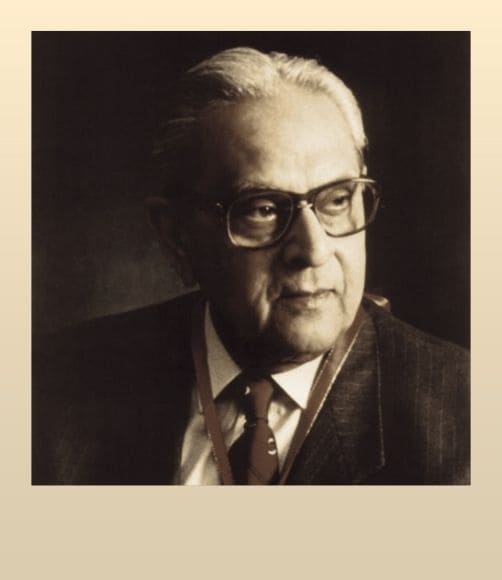
Dr. K. T. Dholakia
Dr. M. N. Shahane
Dr. C. G. Pradhan
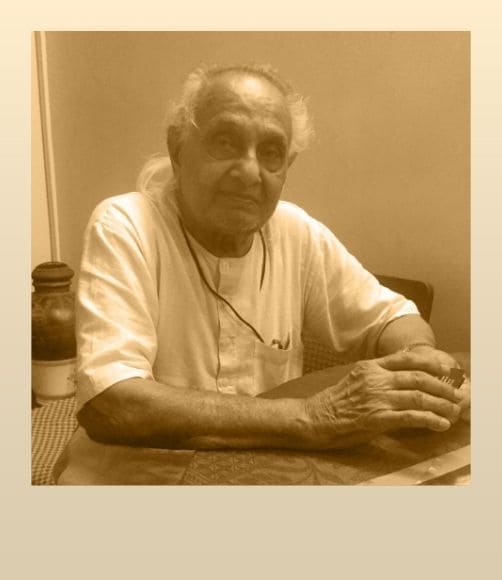
Dr. G. S. Chawara
Dr. N. S. Laud
Dr. K. V. Chaubal
Wiroc
01
December 1974
Century Bazar
Auditorium Worli Mumbai
Dr. M. N. Shahane
R. J. KATRAK ORATION
Dr. P. K. Mullaferoze
K. S. Masalawala
BEST PAPER AWARD
Dr. M. L. Saraf
1975
Strengthening Collaborative Learning
Dr. K. T. Dholakia Elevates Academic Participation
Dr. K. T. Dholakia
Dr. W. G. Rama Rao
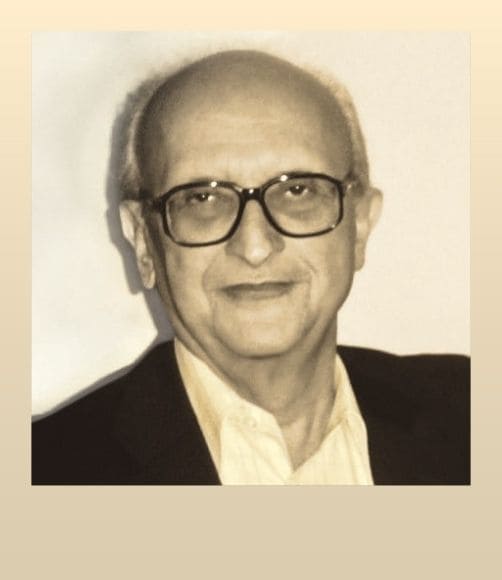
Dr. J. C. Taraporvala
Dr. G. S. Chawara
Dr. C. G. Pradhan
Wiroc
22
November 1975
92
ATTENDED
Dina Hotel
Mahabaleshwar
Dr. S. S. Chaudhari
R. J. KATRAK ORATION
Dr. M. Natrajan
K. S. Masalawala
BEST PAPER AWARD