Dedicated
pursuit
The late 1970s and early 1980s marked a renaissance in the world of orthopaedics. What had once been an essentially conservative discipline, relying heavily on prolonged immobilisation and limited surgical options, began to transform. A deeper understanding of the biology of bone, joints, and the spine ushered in an era of innovation, where science and surgery merged to redefine possibilities.
The Bombay Orthopaedic Society (BOS) was quick to absorb this wave of change. Among the most remarkable global developments were the AO principles from Switzerland; a revolutionary philosophy that changed the way fractures were fixed. The new techniques emphasized stable internal fixation, early joint mobilisation, and early weight-bearing; ideas that liberated patients from the age-old confinement of plaster casts.
At the heart of this transformation in Mumbai was the visionary Prof. N. S. Laud. With an inquisitive mind and a passion for continuous learning, he recognised the potential of these advances and took the initiative to bring them home. Under his leadership, international experts from AO Switzerland were invited to Mumbai to share their knowledge of surgical principles, instrumentation, and implants. This not only elevated the standards of fracture care but also positioned BOS as a forward-looking academic society that embraced change with enthusiasm.
While trauma care evolved rapidly, another revolution was quietly taking shape; the rise of orthopaedic subspecialization. The founding members of BOS had been consummate general orthopaedic surgeons, adept in every domain of musculoskeletal surgery. Yet, a younger generation of talented surgeons began to pursue focused interests, shaping the future of Indian orthopaedics in the process.
The field of spine surgery saw the rise of stalwarts such as Prof. V. T. Ingalhalikar, Prof. V. J. Laheri, and Dr. Shekhar Bhojraj. In sports medicine, the energetic and athletic Dr. Anant Joshi led the way, while the tireless and methodical Prof. Ashok Johari pioneered paediatric orthopaedics. These visionary surgeons became the founding fathers of subspecialty orthopaedics in India; mentors, role models, and torchbearers for generations to come.
Some among them honed their skills through training abroad, while others learned by relentless self-study, dissecting anatomical specimens, poring over scarce international literature, and meticulously following their patients’ progress to refine their techniques. Their dedication and curiosity laid the groundwork for structured subspecialty practice in India.
As the sub-specialists carved their identities, the idea of forming subspecialty societies began to take shape. A defining moment arrived on December 18, 1985, during WIROC, when Prof. V. T. Ingalhalikar formally announced the formation of the Association of Spine Surgeons of India (ASSI). The founding office bearers were a distinguished group; Prof. K. T. Dholakia as President, Prof. K. V. Chaubal and Prof. A. V. Bavdekar as Vice Presidents, Dr. S. D. Mehta as Treasurer, and Prof. Ingalhalikar himself as Secretary.
It was a historic day; the foundation stone of a national association was laid at a regional meeting, and within just two hours, nineteen members had joined. From that moment onward, Indian orthopaedics would never be the same again.
 A
Chapter
A
Chapter
framed in memories
1986
Consolidation and Academic Depth
Dr. K. V. Chaubal Strengthens Training and Structure
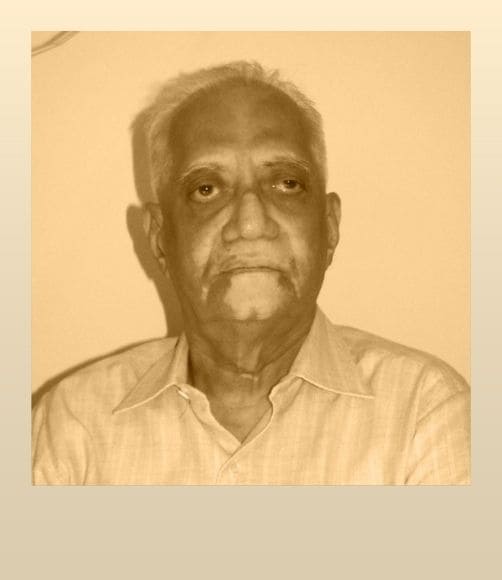
Dr. K. V. Chaubal
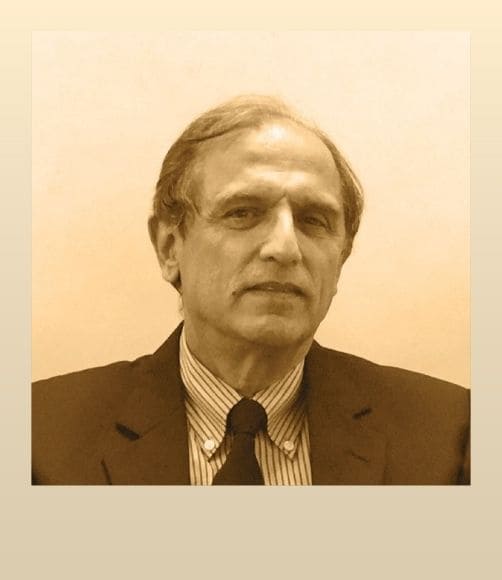
Dr. A. J. Thakur
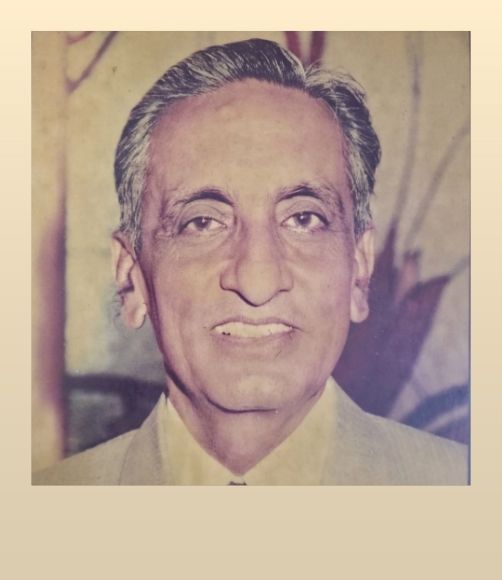
Dr. S. D. Mehta
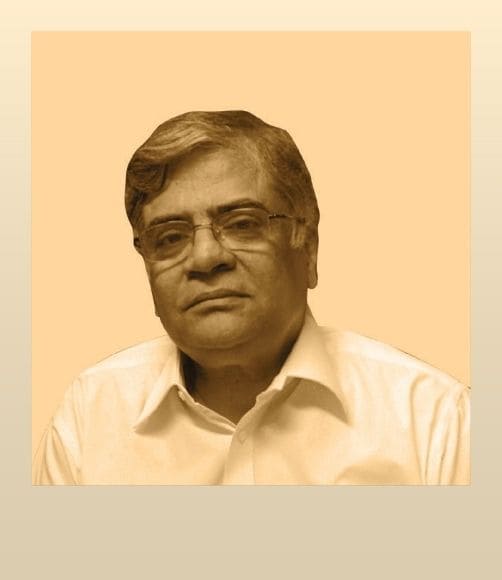
Dr. S. K. Sabnis
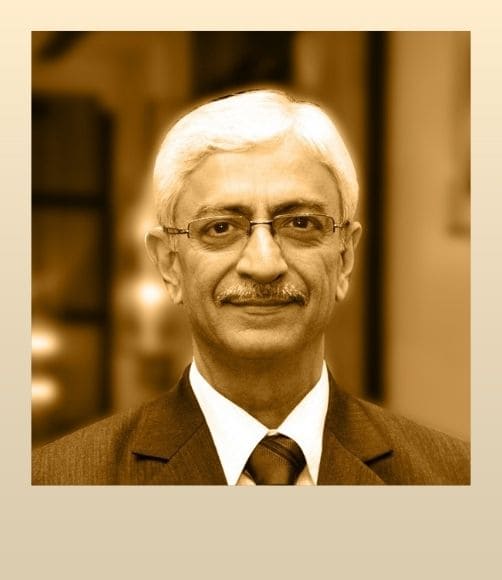
Dr. C. J. Thakkar
Wiroc

22 - 23
November 1986

Sancheti
Hospital, Pune

Dr. A. N. Damle
R. J. KATRAK ORATION
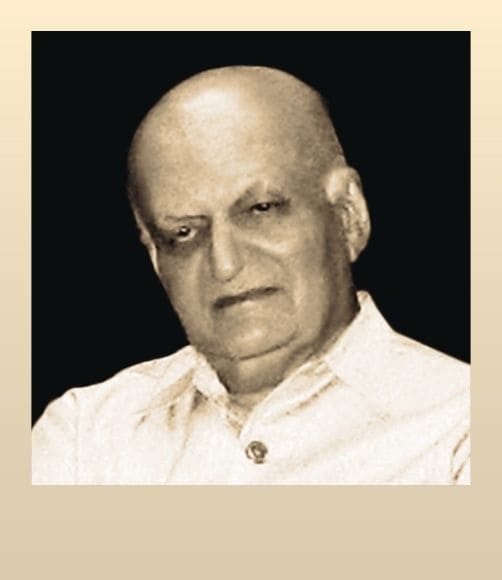
Dr. J. C. N. Joshipura
K. S. Masalawala
BEST PAPER AWARD
Dr. R. Narayan
1987
A Year of Thoughtful Advancement
Dr. J. C. N. Joshipura Expands BOS’s Scientific Vision
Dr. J. C. N Joshipura
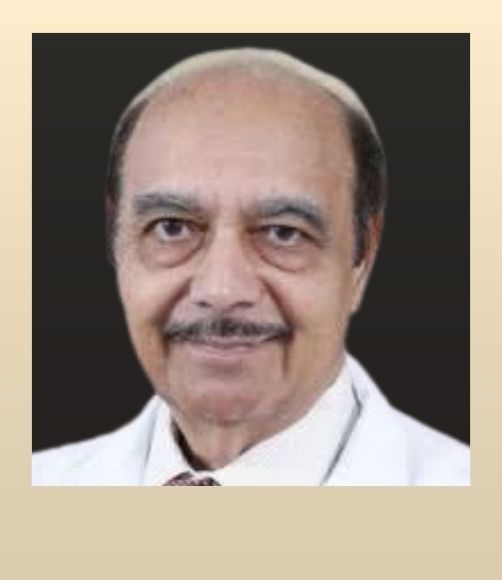
Dr. V. Y. Gawande
Dr. S. D. Mehta
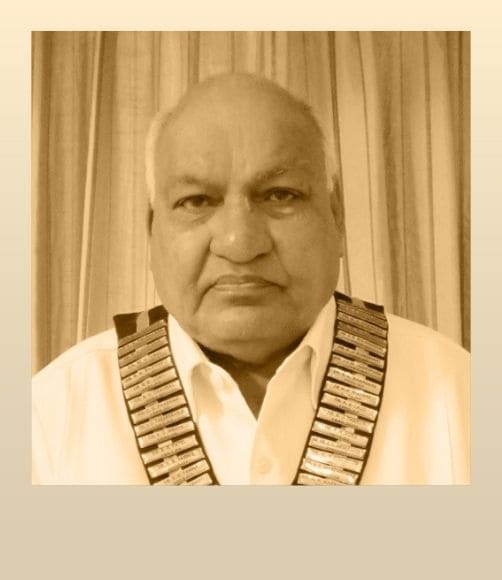
Dr. H. R. Jhunjhunwala
Dr. C. J. Thakkar
Wiroc
Hotel Mumbai
Centaur
Dr. V. Y. Gawanda
K. T. DHOLAKIA ORATION
Dr. A. N. Malavia
R. J. KATRAK ORATION
Dr. P. T. Rao
K. S. Masalawala
BEST PAPER AWARD
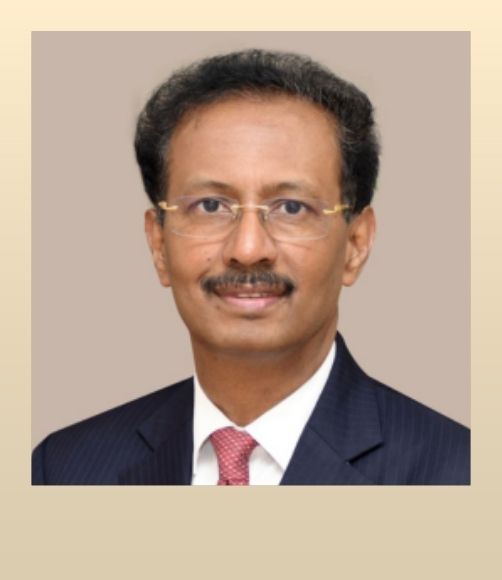
Dr. Rajasekaran
1988
Leadership Rooted in Experience
Dr. C. G. Pradhan Guides BOS’s Steady Expansion
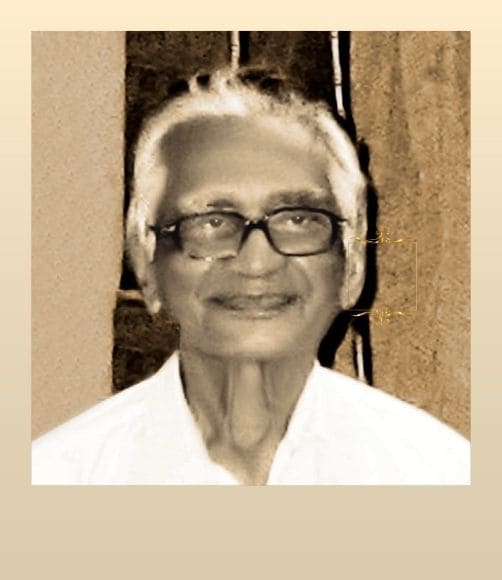
Dr. C. G. Pradhan
Dr. V. Y. Gawande
Dr. S. D. Mehta
Dr. H. R. Jhunjhunwala
Dr. C. J. Thakkar
Wiroc
20
November 1988
Bombay
Hospital
Dr. V. Y. Gawanda
R. J. KATRAK ORATION
Dr. S. J. Kumbhani
K. S. Masalawala
BEST PAPER AWARD
Dr. V. D. Chauhan
1989
A Focus on Structural Refinement
Dr. C. G. Pradhan Enhances Administrative Systems
Dr. C. G. Pradhan
Dr. V. Y. Gawande
Dr. A. N. Johari
Dr. R. Y. Prabhoo
Dr. V. M. Agashe
Wiroc
Hotel Taj,
Mumbai
Dr. V. Y. Gawanda
K. T. DHOLAKIA ORATION
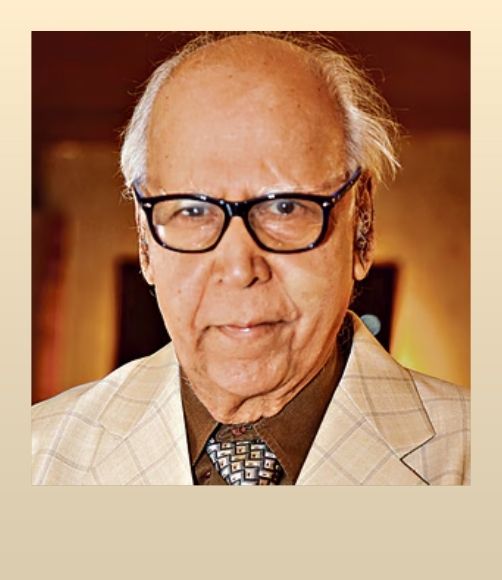
Dr. R. D. Lele
R. J. KATRAK ORATION
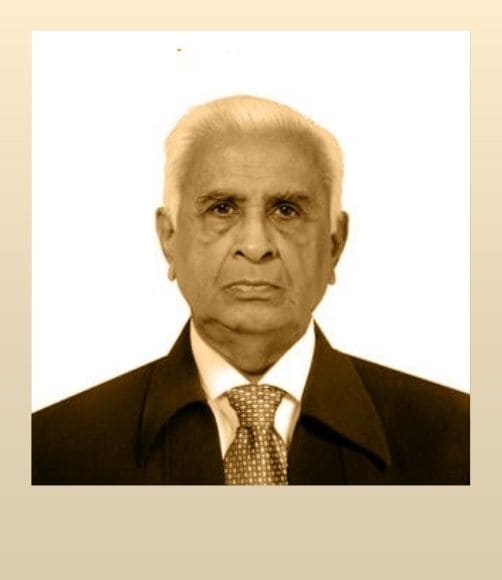
Dr. L. N. Vora
K. S. Masalawala
BEST PAPER AWARD
Dr. W. M. Gadegone
1990
Strengthening BOS Identity
Dr. S. K. Bhandare Drives Organisational Alignment
Dr. S. K. Bhandare
Dr. C. J. Thakkar
Dr. A. N. Johari
Dr. R. Y. Prabhoo
Dr. V. M. Agashe
Wiroc
25
November 1990
Bombay
Hospital
Dr. A. N. Johari
R. J. KATRAK ORATION
Dr. C. G. Pradhan
Young Surgeon
Forum
Dr. A. N. Johari
Young Surgeon
Forum
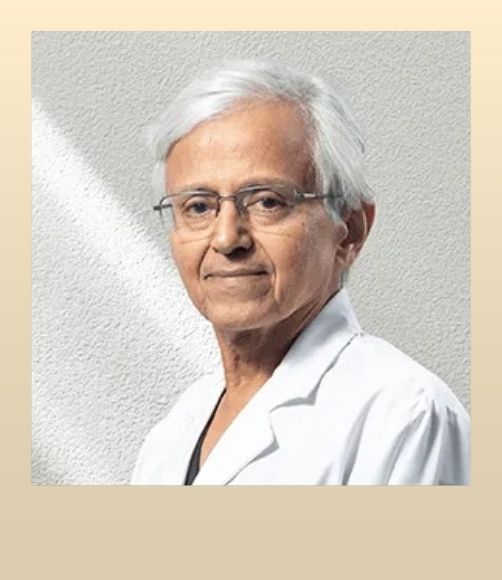
Dr. Bhojraj
K. S. Masalawala
BEST PAPER AWARD
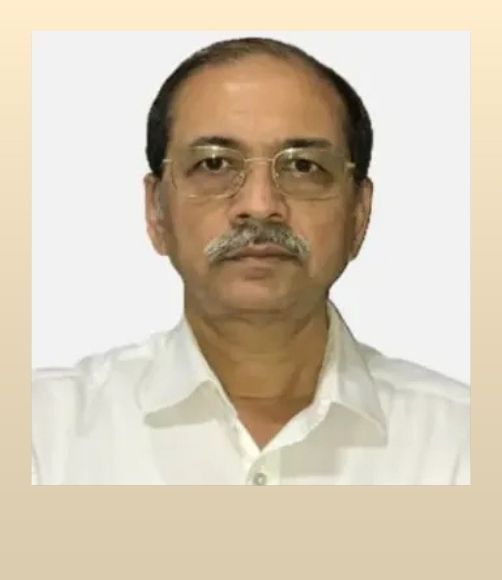
Dr. Patankar
1991
Growth Through Academic Collaboration
Dr. S. K. Bhandare Reinforces Scientific Interaction
Dr. S. K. Bhandare
Dr. C. J. Thakkar
Dr. A. N. Johari
Dr. R. Y. Prabhoo
Dr. V. M. Agashe
Wiroc
18 - 19
January 1992
Hotel Centaur,
Airport
Dr. R. Y. Prabhoo
K. T. DHOLAKIA ORATION
Dr. M. L. Kothari
R. J. KATRAK ORATION
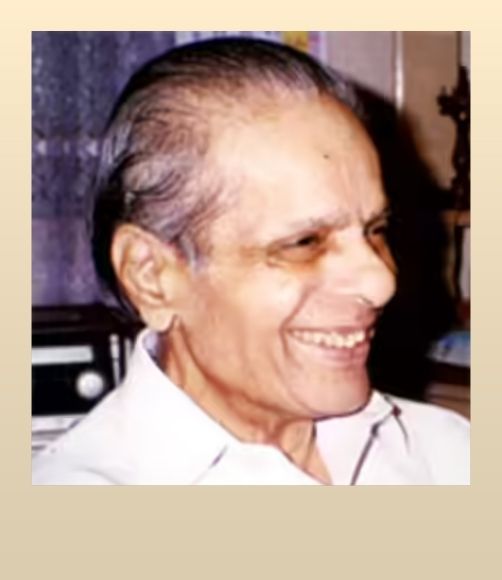
Dr. A. V. Bavdekar
Young Surgeon
Forum
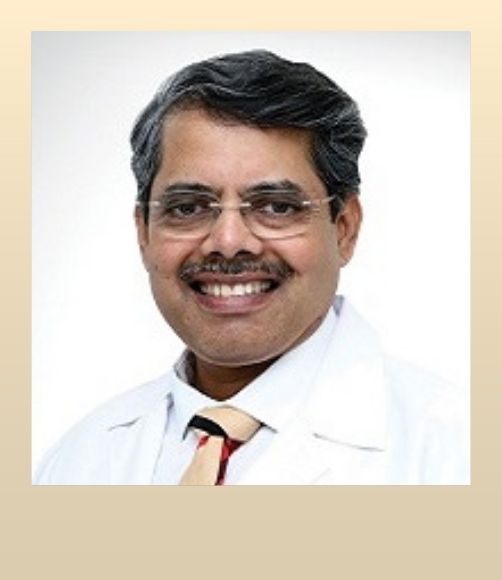
Dr. Pradeep Bhosale
Young Surgeon
Forum
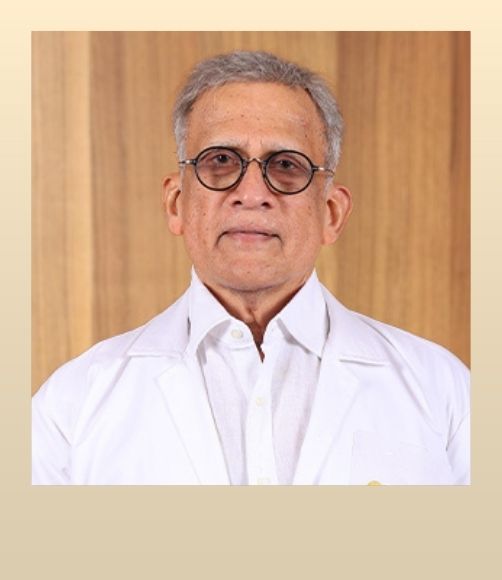
Dr. Anant Joshi
K. S. Masalawala
BEST PAPER AWARD
Dr. A. N. Johari
1992
Advancing Orthopaedic Education
Dr. J. C. Taraporvala Enhances Training Initiatives
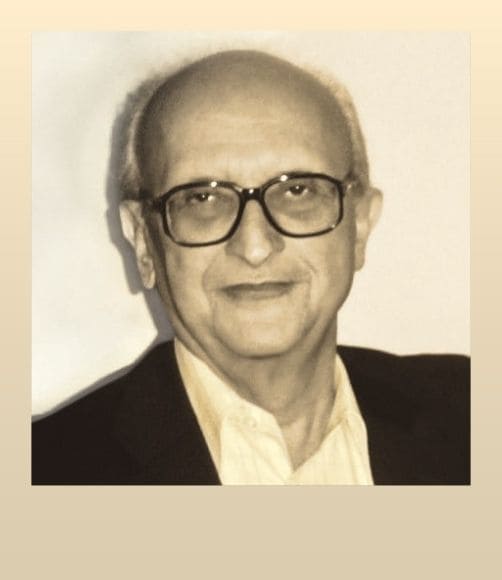
Dr. J. C. Taraporvala
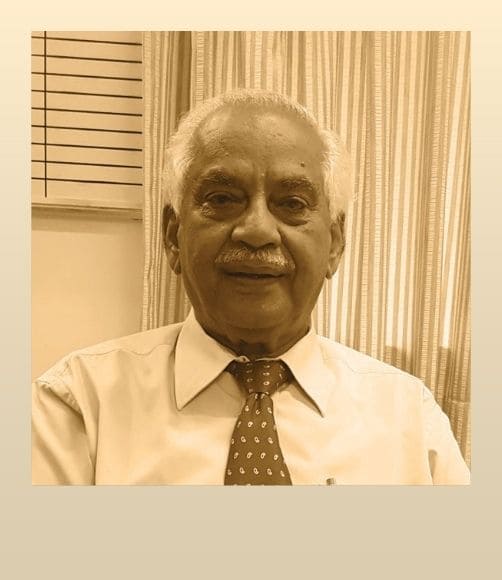
Dr. N. S. Laud
Dr. S. K. Sabnis
Dr. V. M. Agashe
Dr. A. A. Rao
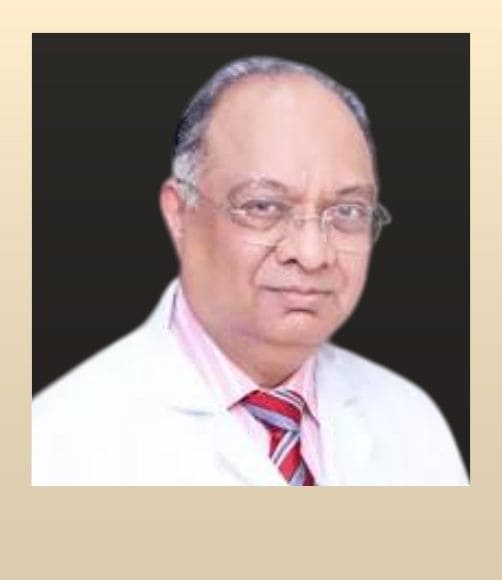
Dr. D. D. Shah
Dr. R. Y. Prabhoo
Dr. K. R. Manlekar
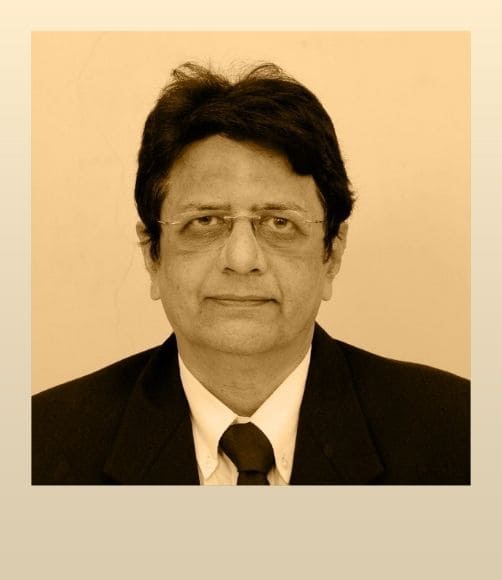
Dr. A. R. Karkhanis
Wiroc
05 - 06
December 1992
Bombay
Hospital
Dr. S. K. Sabnis
R. J. KATRAK ORATION
Dr. J. C. Taraporvala
Young Surgeon
Forum
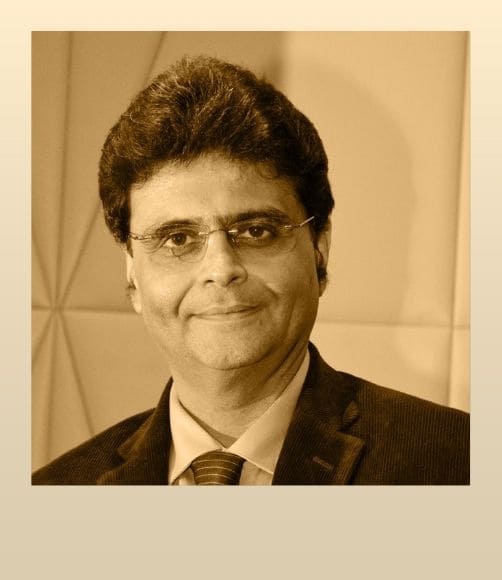
Dr. Ram Chaddha
Young Surgeon
Forum
Dr. S. Y. Bhojraj
1993
A Year of Renewed Academic Commitment
Dr. M. N. Shahane Brings Dynamic Leadership
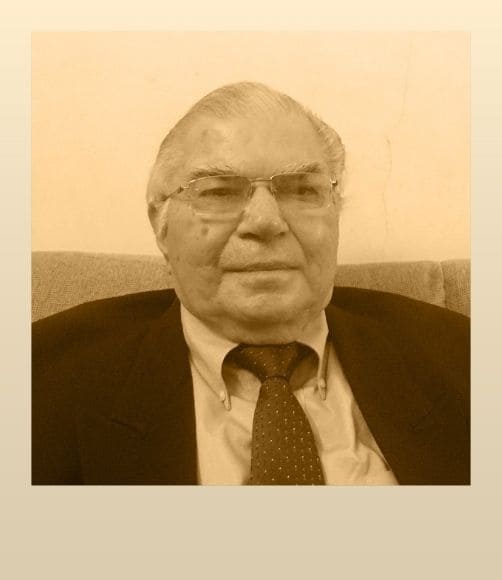
Dr. M. N. Shahane
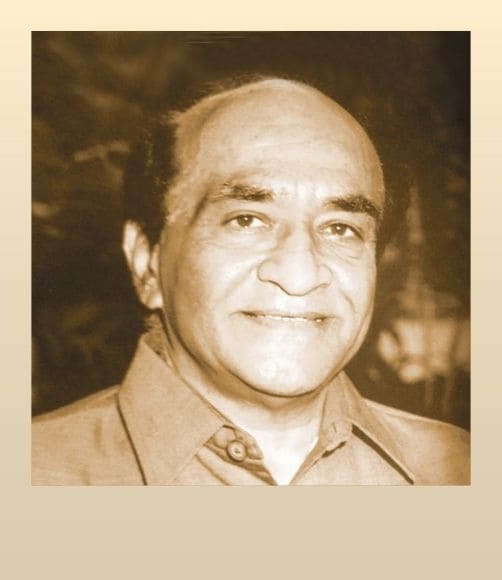
Dr. B. R. Patel
Dr. S. K. Sabnis
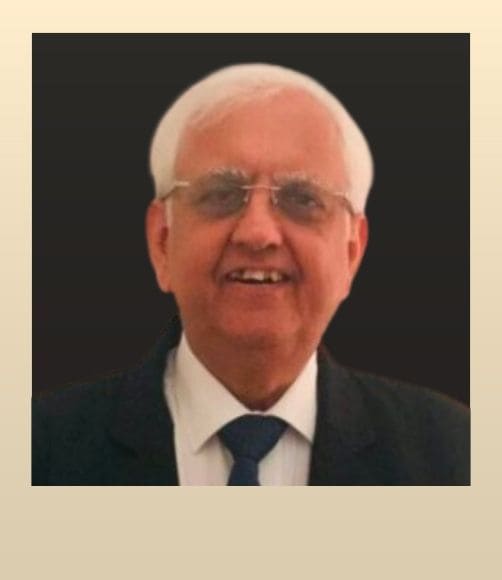
Dr. S. R. Mukhi
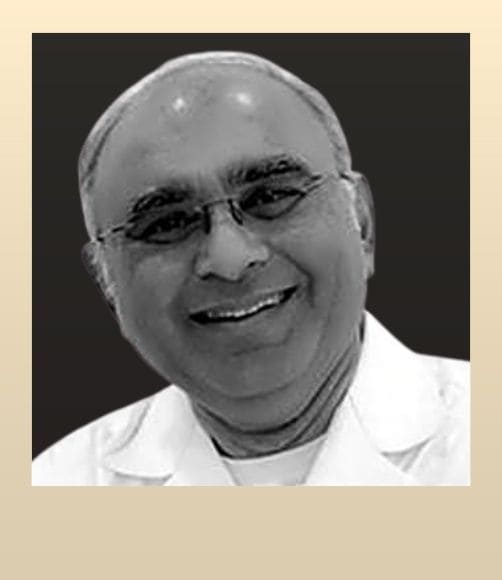
Dr. N. R. Rathod
Dr. D. D. Shah
Dr. R. Y. Prabhoo
Dr. K. R. Manlekar
Dr. A. R. Karkhanis
Wiroc
22 - 23
January 1994
Hotel Mumbai
Centaur
Dr. S. R. Mukhi
K. T. DHOLAKIA ORATION
Dr. D. H. Sastur
R. J. KATRAK ORATION
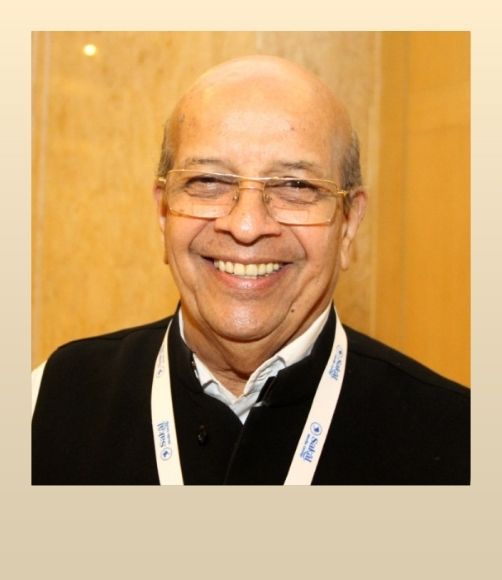
Dr. K. H. Sancheti
Young Surgeon
Forum
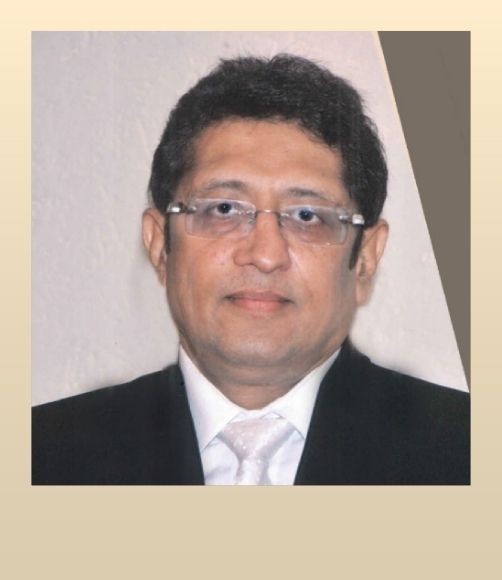
Dr. Prasham Shah
Young Surgeon
Forum
Dr. C. J. Thakkar
1994
Strengthening Governance & Outreach
Dr. S. D. Mehta Elevates BOS’s Institutional Framework
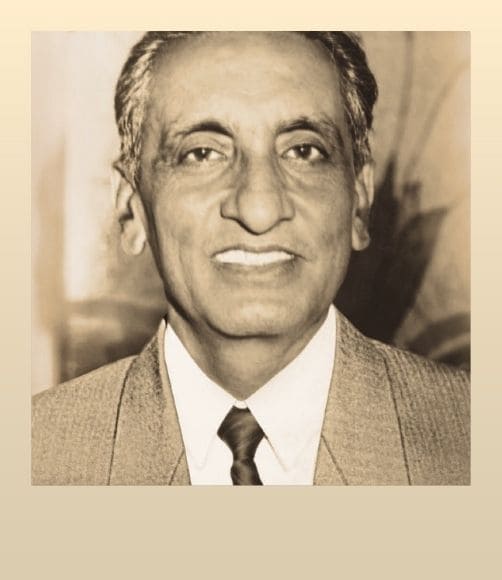
Dr. S. D. Mehta
Dr. B. R. Patel
Dr. R. Y. Prabhoo
Dr. S. R. Mukhi
Dr. N. R. Rathod
Dr. D. D. Shah
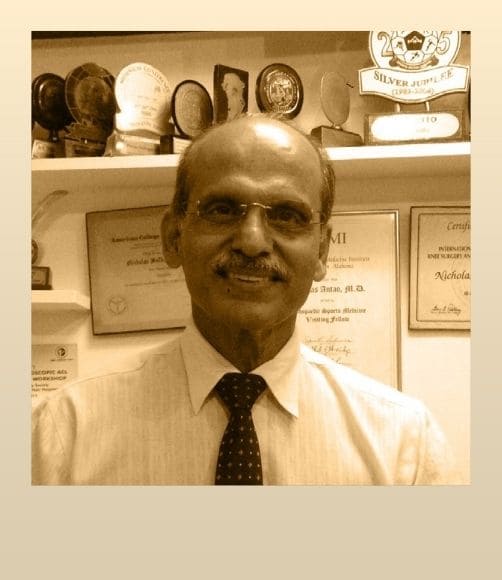
Dr. Nicholas Antao
Dr. K. R. Manlekar
Dr. A. R. Karkhanis
Wiroc
17 - 18
December 1994
Hotel Mumbai
Centaur
Dr. Nicholas Antao
K. T. DHOLAKIA ORATION
Dr. V. R. Joshi
R. J. KATRAK ORATION
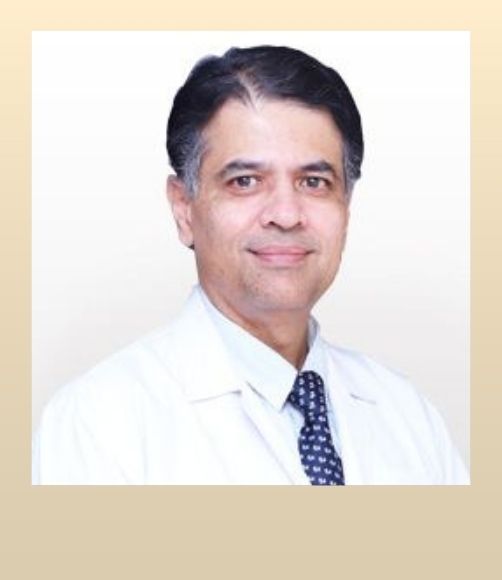
Dr. D. M. Shahane
Young Surgeon
Forum
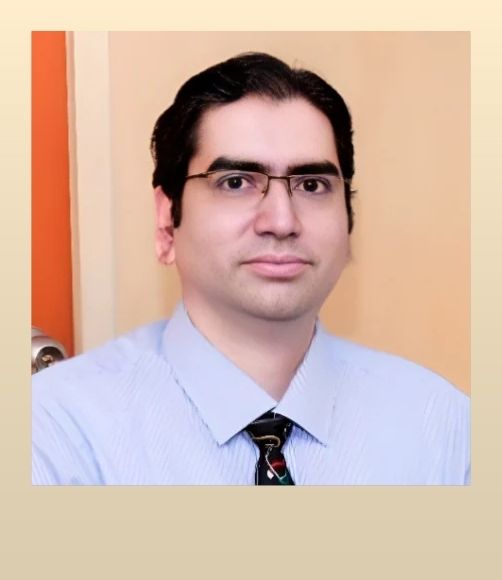
Dr. Nitin V. Gajjar
Young Surgeon
Forum
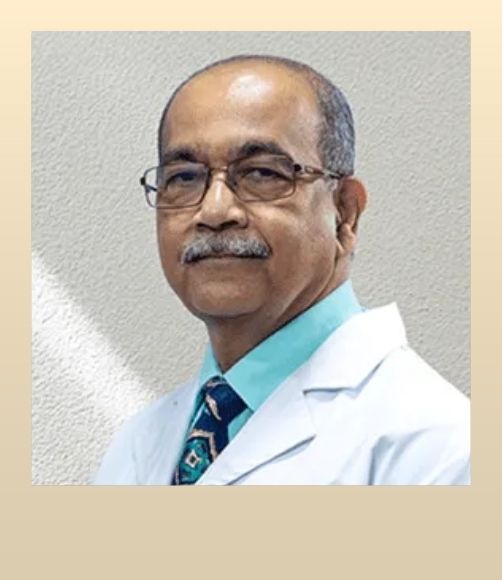
Dr. S. M. Kumta
1995
A Vision for the Future Solidifies
Dr. S. D. Mehta Leads BOS Toward Organised Growth
Dr. S. D. Mehta
Dr. K. R. Manelkar
Dr. R. Y. Prabhoo
Dr. S. R. Mukhi
Dr. N. R. Rathod
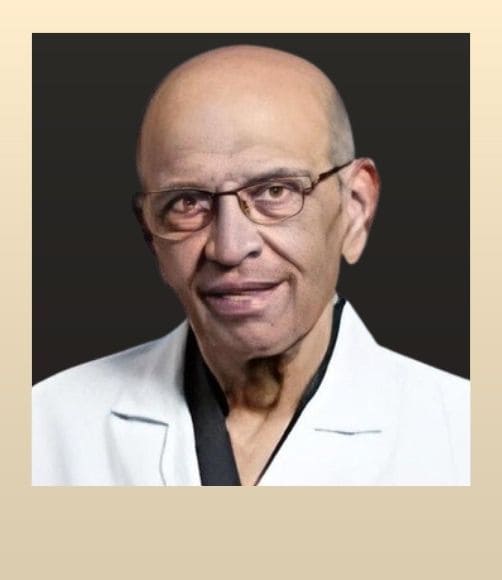
Dr. S. S. Joshi
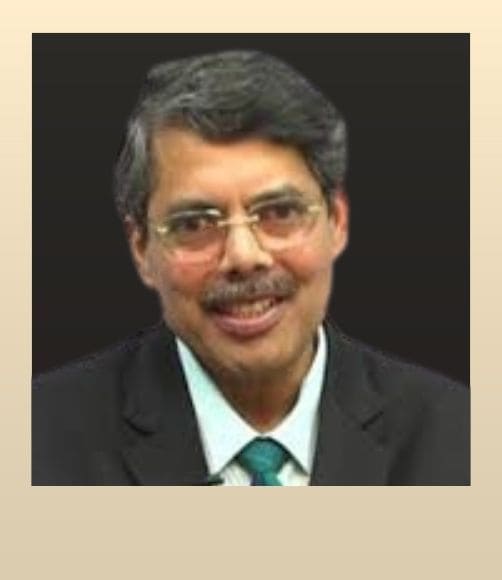
Dr. P. B. Bhosale
Dr. Nicholas Antao
Dr. A. R. Karkhanis
Wiroc
350
ATTENDED
Hotel Mumbai
Centaur
Dr. A. R. Karkhanis
K. T. DHOLAKIA ORATION
Dr. K. S. Goleria
R. J. KATRAK ORATION
Dr. V. Chacko
Young Surgeon
Forum
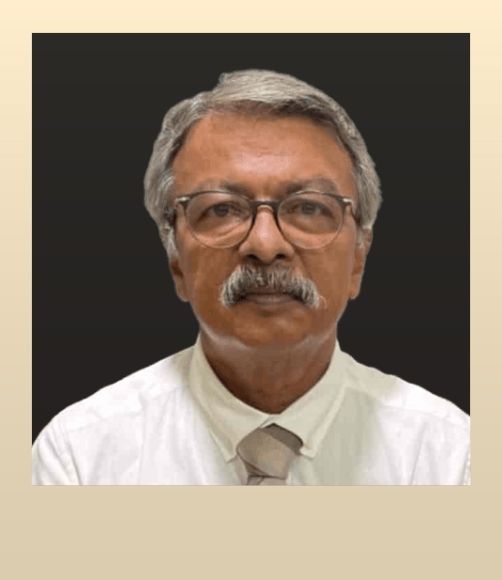
Dr. R. H. Chauhan
Young Surgeon
Forum
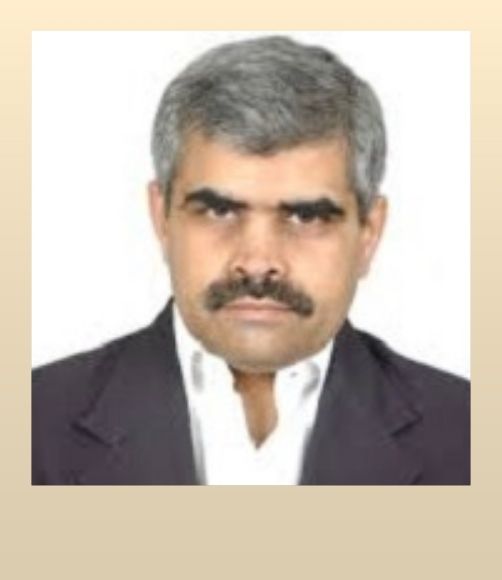
Dr. Anil Bhatia
K. S. Masalawala
BEST PAPER AWARD
Dr. Taral Nagda
Visual
traces
of the heritage